Understanding the Basics of Hardscapes
What Are Hardscapes?
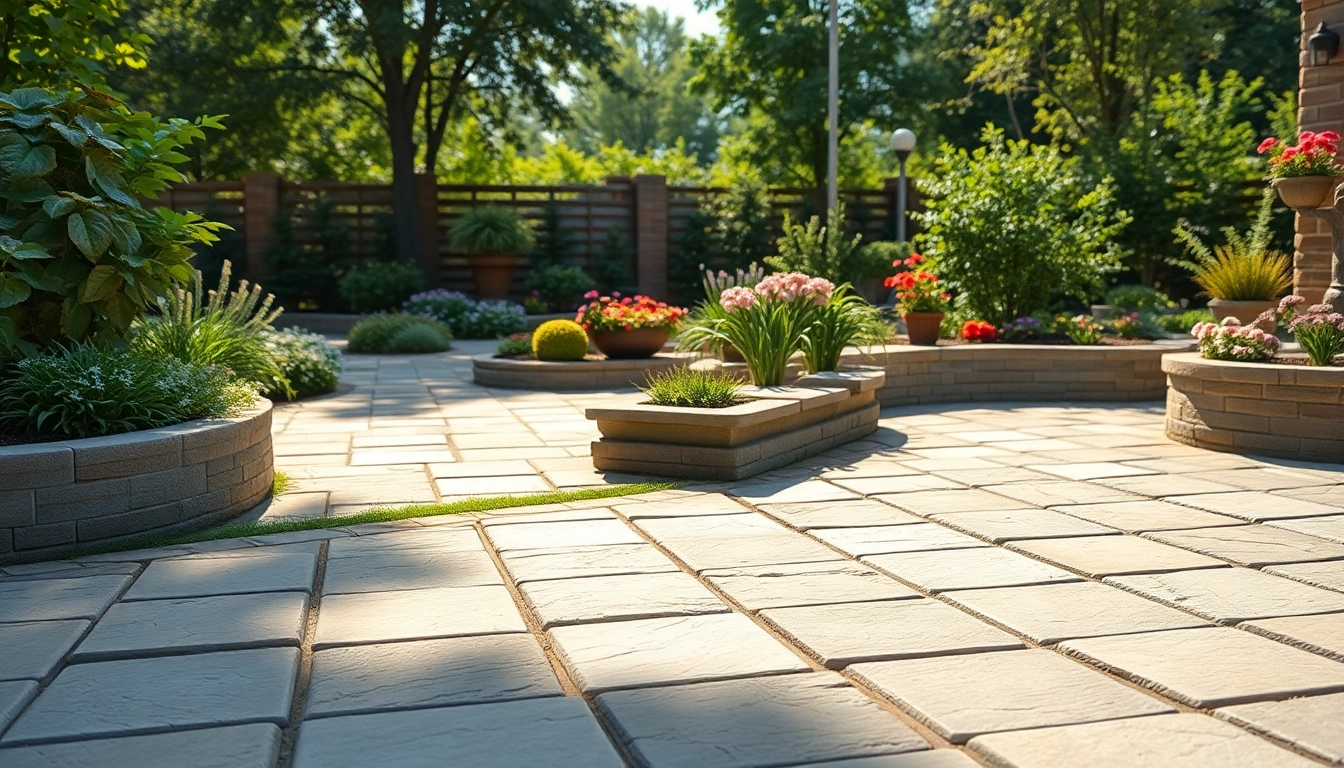
Hardscapes are the architectural elements of landscaping that include non-living features. These can be structures made from various durable materials like stone, concrete, or brick to create paths, patios, walls, and other outdoor features. Essentially, they serve as the backbone of outdoor spaces, establishing functionality and design coherence. Incorporating hardscapes into your garden enhances visual appeal while providing practical utility.
Common Materials Used in Hardscapes
Understanding the materials that go into hardscapes is crucial for making informed design choices. Here are some popular options:
- Concrete: Known for its durability and versatility, concrete can be molded into any shape and can be colored or stamped to imitate more expensive materials.
- Natural Stone: This includes granite, limestone, and slate, offering a timeless aesthetic and unique textures, but often at a higher price point.
- Brick: Used in pathways or patios, brick provides a classic look and can be easily replaced if broken.
- Paver Stones: Available in various colors and designs, they are ideal for creating custom patterns.
- Timber: Often used in decks and fences, timber adds a warm, natural element but requires more maintenance compared to stone or concrete.
Benefits of Hardscapes
Incorporating hardscapes in landscaping carries numerous advantages:
- Durability: Unlike softscapes, hardscapes are less susceptible to weather, pests, and disease.
- Low Maintenance: Hardscapes require significantly less upkeep compared to living plants, saving time and money.
- Outdoor Functionality: They define spaces for activities, offering areas for dining, relaxation, and play.
- Enhanced Aesthetics: Hardscapes can provide symmetry and structure, balancing softscapes’ organic forms.
- Increased Property Value: Well-executed hardscapes can enhance the aesthetic appeal and functionality of a home, thereby increasing its market value.
Designing Effective Hardscapes for Your Garden
Factors to Consider in Design
When designing hardscapes, it’s essential to consider factors that will deliver functionality and beauty:
- Space: Assess how much space you have and what features will fit without overwhelming the area.
- Climate: Choose materials that will withstand local weather conditions. For example, porous stones may not suit wet climates well.
- Purpose: Define the use of the space. Will it be for entertaining, relaxation, or as a play area for children?
- Style: Ensure that the hardscapes complement your home’s architectural style and resonate with your personal tastes.
Creating Balance with Softscapes
Achieving a harmonious balance between hardscapes and softscapes is vital for creating an inviting landscape. Here’s how to blend these elements effectively:
- Contrast: Use hardscapes to provide a contrasting material against the organic, flowing lines of plants and trees.
- Integration: Incorporate soft elements like shrubs or flowers around hard surfaces to soften the edges.
- Transition: Create smooth transitions by introducing stepping stones or gravel pathways that lead from hardscapes to softscapes.
Incorporating Features Such as Patios and Walkways
Adding functional hardscape features like patios and walkways can completely transform your outdoor space. Here are a few ideas:
- Patios: They provide a flat area for furniture and dining, making outdoor entertaining more accessible and enjoyable.
- Walkways: Connecting various sections of your garden with well-placed walkways invites exploration and adds a sense of structure.
- Retaining Walls: These create dynamic levels in your garden while managing water runoff, preventing erosion.
- Fire Pits: Hardscaped fire pits can become a gathering focal point, extending outdoor living during cooler evenings.
Popular Hardscape Ideas for Residential Spaces
Stylish Driveways Using Hardscapes
Driveways are often the first impression of a home. A well-designed hardscape driveway can elevate curb appeal while serving functionality:
- Pavers: Opt for interlocking pavers for durability and casual elegance.
- Concrete Overlay: This can transform a standard concrete driveway into a stylish feature with various stains and stamps.
- Gravel: For a rustic charm, gravel can provide a cost-effective and permeable surface.
Hardscaped Gathering Areas
Creating designated gathering areas enhances outdoor socialization:
- Outdoor Kitchens: Built-in grills, counters, and seating areas foster cooking and socializing in one space.
- Seating Walls: Instead of traditional seating, incorporating walls made of stone or brick creates architectural interest while providing seating.
- Covered Structures: Pergolas or gazebos can define gathering spaces and offer shade.
Water Features and Hardscapes
Water features add serenity to a landscape. When integrated with hardscapes, they can create stunning visual aesthetics:
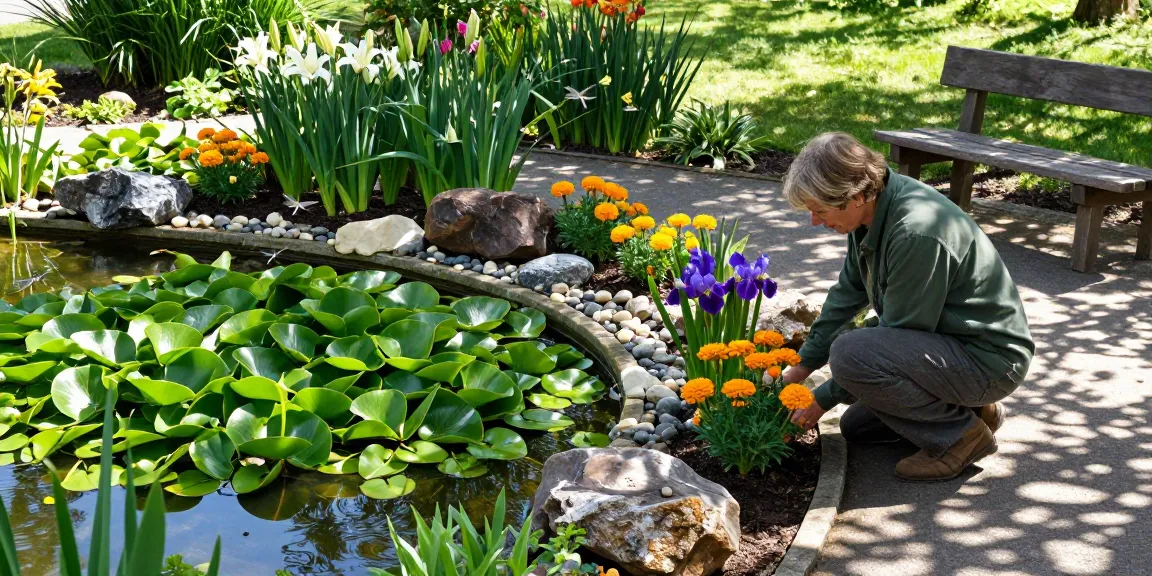
- Ponds: Natural or pretending ponds can be surrounded by stone edging, making them an eye-catching centerpiece.
- Fountains: Use fountains as focal points in patios or gathering areas to foster an attractive ambiance.
- Waterfalls: These can cascade over natural stones, integrating beautifully within the landscape.
Best Practices for Hardscape Installation
Planning and Preparation Steps
Proper planning is crucial for successful hardscape installation. Follow these steps for an effective approach:
- Layout Planning: Use stakes and string to outline your design on the ground to visualize proportions and transitions.
- Material Selection: Choose materials that fit your design vision, budget, and local availability.
- Soil Preparation: Ensure correct soil grading to facilitate drainage and stability.
Common Installation Mistakes to Avoid
To ensure the longevity and functionality of your hardscapes, watch out for these pitfalls:
- Poor Drainage: Not considering drainage can lead to flooding or erosion around hardscapes.
- Insufficient Base Material: Using an inadequate base can lead to sagging, cracking, or shifting of hardscape elements.
- Neglecting Climate: Ignoring local climate conditions may result in material failure or increased maintenance.
Maintenance Tips for Longevity
Maintaining hardscapes is essential for preserving their aesthetic and structural integrity:
- Regular Cleaning: Sweep and rinse surfaces regularly to prevent dirt and debris buildup.
- Resealing: If using porous materials, periodically reseal to protect from stains or moisture damage.
- Inspection: Regularly inspect joints, edges, and features for any signs of wear or damage, addressing issues promptly.
FAQs About Hardscapes
What is the difference between hardscapes and softscapes?
Hardscapes refer to the non-plant elements in landscaping, while softscapes are the living parts, like plants.
How do I choose the right materials for my hardscapes?
Consider durability, style, and color harmony with your home’s exterior when selecting hardscape materials.
What maintenance do hardscapes require?
Regular cleaning and occasional resealing are key to maintaining the appearance and integrity of hardscapes.
Are hardscapes expensive to install?
The cost varies based on materials and design complexity; however, they can enhance property value significantly.
Can I install hardscapes myself?
While DIY is possible, professional installation ensures better quality and adherence to local regulations.