Understanding Your Freezer
Your Freezer is an essential appliance that can help preserve food freshness, save time on meal prep, and save money by reducing waste. However, to get the most out of this versatile tool, understanding its different types, how to choose the right one, and what features to consider is crucial.
What Types of Freezers Exist?
Freezers come in various types, each designed for specific needs and spaces. The most common types include:
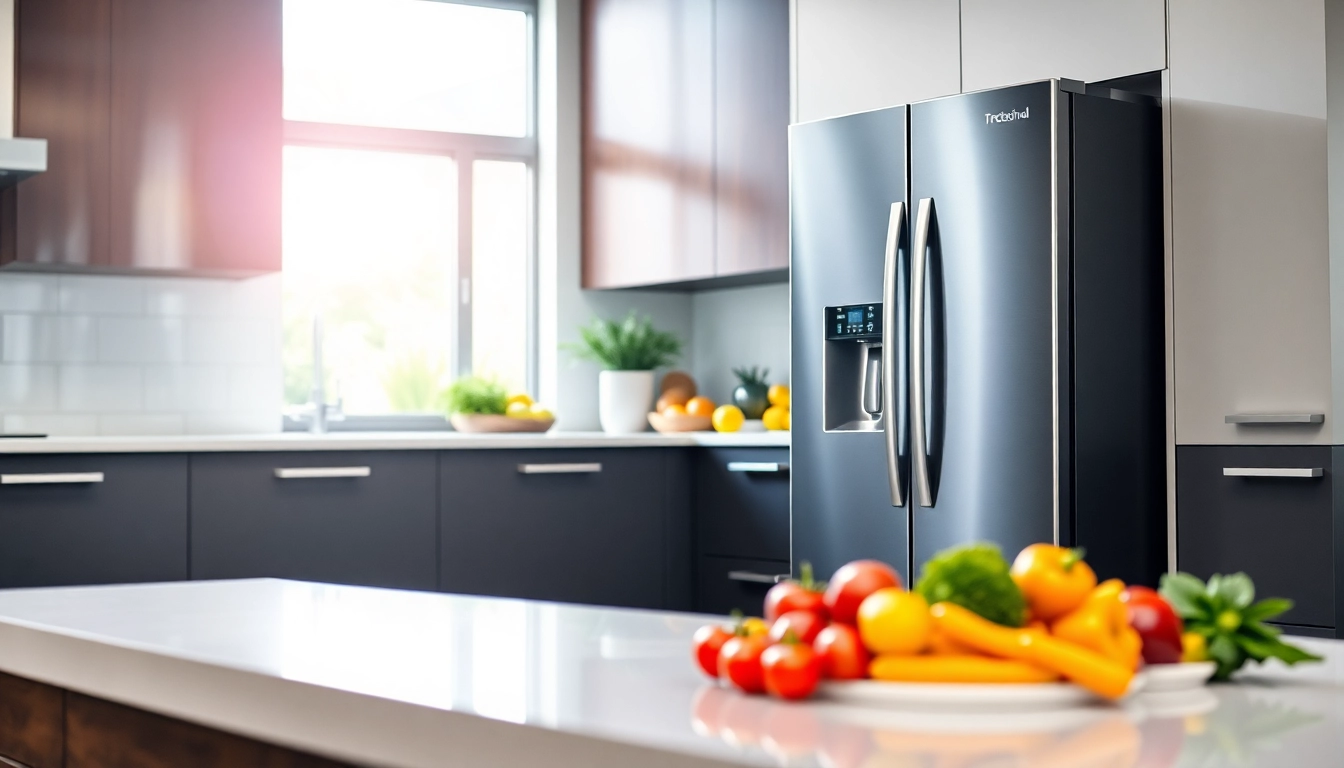
- Upright Freezers: These resemble traditional refrigerators, offering shelving and easy access. They’re typically available in varying sizes and provide quick organization but can be slightly more expensive.
- Chest Freezers: Popular for their higher energy efficiency, chest freezers are ideal for long-term storage of bulk items. They have a larger capacity, but accessing items at the bottom can be cumbersome.
- Portable Freezers: Perfect for camping or small spaces, these compact units can be powered through vehicles or standard outlets, offering convenience on the go.
- Built-in Freezers: These are designed to fit seamlessly into cabinetry for an aesthetic appeal while providing substantial storage space. They often offer advanced technological features.
Choosing the Right Freezer for Your Needs
Several factors influence your choice of freezer:
- Available Space: Measure the area where the freezer will reside. Ensure you account for space needed for ventilation and access.
- Usage Patterns: Consider how often you’ll use the freezer. If you freeze items frequently, opt for an upright model for easier access. A chest freezer may be better for infrequent use.
- Capacity Requirements: Choose a freezer with sufficient storage for your family’s needs. Typically, allocate about 1.5 cubic feet of freezer space per person.
- Energy Efficiency: Energy-efficient models may save you money on utility bills, so check the Energy Star rating.
- Features and Prices: Budget for necessary features such as adjustable shelves, temperature controls, and alarm systems for temperature fluctuations.
Key Features to Consider in a Freezer
When shopping for a freezer, keep an eye out for specific features that enhance usability:
- Temperature Control: Make sure the freezer has adjustable settings for maintaining optimal freezing temperatures.
- Alarm System: Some freezers are equipped with alarms that notify you if the temperature rises too high.
- Auto-Defrost: This feature automatically removes frost build-up, making maintenance easier.
- Interior Lighting: Built-in lighting helps you see the contents easily, especially in larger freezers.
- Energy Saving Mode: Some models allow you to operate in energy-saving mode to minimize consumption.
Organizing Your Freezer for Optimal Use
Proper organization of your freezer not only maximizes space but also makes it easier to find and access food. Here’s how to develop an effective organization system:
Best Practices for Freezer Organization
To keep your freezer organized:
- Sort by Category: Group similar items together, such as meats, fruits, vegetables, and prepared meals, for quick retrieval.
- Use Zones: Designate areas for different types of food. For example, one shelf for frozen vegetables and another for meats.
- Implement FIFO: First In, First Out (FIFO) processes help ensure older items are used before newer additions, reducing waste.
- Avoid Overpacking: While it can be tempting to fill every inch, overcrowding can hinder air circulation and reduce efficiency.
Utilizing Containers for Effective Storage
Using containers strategically can make a substantial difference in organization:
- Use Clear Bins: Transparent bins allow you to see what’s inside without opening them, streamlining the process.
- Choose Stackable Options: Stackable bins maximize vertical space, creating layers of storage while making items easy to access.
- Use Freezer-Safe Bags: Resealable bags can save space when frozen flat, making them perfect for food like soups or prepped ingredients.
Labeling and Tracking What You Store
Labeling is an essential component of freezer organization. A well-labeled system allows you to quickly find what you need:
- Include Dates: Always mark the date you froze the items to track freshness and avoid keeping items longer than recommended.
- Detail Contents: Specify what foods are in each bag or container, making it easier to identify them without opening different packaging.
- Maintain an Inventory List: Keep a printed inventory list on the outside of your freezer, detailing contents and their freezing dates.
Freezer Maintenance and Care
Maintaining your freezer is essential for its longevity and efficiency. Regular care extends the life of your appliance and ensures food safety.
Routine Maintenance Tips
Incorporate these maintenance practices into your routine:
- Clean Regularly: Wipe down shelves and surfaces every few months with a mild soap solution to remove residue.
- Check Seals: Ensure that door seals are tight, as air leaks can lead to higher energy consumption and spoilage.
- Defrost If Necessary: If ice builds up beyond 1/2 inch in thickness, consider defrosting the unit for optimal performance.
Defrosting Your Freezer: When and How
Defrosting your freezer is crucial to maintain efficiency:
- When to Defrost: Usually, if ice build-up reaches half an inch, it’s time to defrost.
- How to Defrost: Unplug your freezer. Store food in coolers, and let the ice melt naturally or speed up the process with a fan or bowls of hot water.
Common Issues and Troubleshooting
Be prepared for potential problems:
- Temperature Fluctuations: If temperatures rise, check the door seals, adjust the temperature settings, or clear any blockages.
- Unusual Noises: Sounds like humming or clicking can be normal, but if the noise is excessive, it might indicate an issue with the compressor or fan.
- Leaking Water: Moisture buildup may signal a clogged defrost drain or faulty door seals, requiring inspection.
Maximizing Space in Your Freezer
Optimizing the available space in your freezer can add significant efficiency and convenience. Here’s how to maximize space:
Smart Packing Techniques for Frozen Items
Consider these packing strategies:
- Flatten Soft Foods: When freezing items like soups or stews, flatten bags to save space and speed up freezing.
- Stackable Storage: Use stackable containers or bins to utilize vertical space that would otherwise go unused.
- Group Smaller Items: Use baskets or bins for smaller bulk items to prevent wasting space and maintain organization.
Using Vacuum Sealers to Save Space
Vacuum sealers allow you to store food more effectively by removing air:
- Prevents Freezer Burn: Removing air from packaging extends the freshness of frozen items.
- Saves Space: Vacuum-sealed bags are much thinner than traditional containers, saving precious freezer space.
- Convenient Portioning: Seal single servings of items to make meal prep and cooking more efficient.
How to Freeze Various Foods Effectively
Different foods require different freezing methods to retain their quality:
- Fruits: Wash, chop, and freeze in a single layer before transferring them to bags for long-term storage to prevent clumping.
- Vegetables: Blanch veggies first to maintain color, flavor, and texture before freezing.
- Meats: Portion out meats into vacuum-sealed or freezer-safe bags, ensuring they’re sealed properly to avoid freezer burn.
Frequently Asked Questions About Freezers
How Long Can Food Be Stored in the Freezer?
Most foods can be frozen for 3 to 12 months. Specific guidelines vary per food item, so check recommendations for the best practices.
Can I Freeze Leftovers in Glass Containers?
Yes, as long as they are designed for the freezer, glass containers help keep leftovers fresh without risk of breakage.
What Should I Avoid Freezing?
Avoid freezing mayonnaise, soft cheeses, and raw eggs, as freezing negatively affects their texture and flavor.
How Often Should I Clean My Freezer?
Clean your freezer every three months to maintain hygiene and ensure efficient operation.
What Is the Best Temperature for My Freezer?
The optimal temperature for freezing food is 0°F (-18°C), ensuring food remains safely frozen.