The Importance of Marginal Pond Plants in Ecosystems
When creating a thriving garden pond, the inclusion of marginal pond plants is vital. These plants not only enhance the beauty of your outdoor space but also play crucial roles in supporting aquatic ecosystems. If you’re looking to add such plants to your garden, you might want to Buy Marginal Pond Plants that can transform your pond into a vibrant habitat.
What Are Marginal Pond Plants?
Marginal pond plants are those species that thrive at the edges of ponds and wetlands where the water meets the land. These plants typically grow in shallow water and are characterized by their ability to tolerate periodic flooding. Common examples include cattails, water lilies, and various sedges. These plants not only beautify the pond’s edge but also serve as a transition zone between terrestrial and aquatic ecosystems.
Benefits to Wildlife and Water Quality
Marginal plants serve several vital functions in an ecosystem. Firstly, they provide essential habitats for amphibians, insects, and birds, creating a thriving ecosystem. These plants also contribute to water quality by absorbing excess nutrients, thereby reducing algal blooms. Furthermore, their root systems help stabilize the soil, prevent erosion, and improve the overall health of the pond.
Common Misconceptions About Marginal Plants
There are many misconceptions surrounding the use of marginal pond plants. Some believe they require excessive maintenance; however, many species are hardy and low-maintenance after establishment. Others think these plants only serve aesthetic purposes, overlooking their ecological benefits, which are crucial for fostering biodiversity and maintaining water quality.
Choosing the Right Marginal Pond Plants
When selecting marginal pond plants for your garden, it’s essential to consider several key factors to ensure you make the best choices for your specific environment and aesthetic preferences.
Factors to Consider When Buying
Before purchasing, assess your local climate, soil type, and the specific conditions of your pond. For instance, if your area experiences heavy rainfall, look for plants that can withstand fluctuating water levels. Additionally, consider the sunlight exposure of your pond—some plants thrive in full sun, while others prefer shaded areas. Always check for native plant options, as these will typically require less care and provide better habitat for local wildlife.
Top Picks for 2026
In 2026, several marginal pond plants are trending due to their ecological benefits and aesthetic appeal. Some top picks include:
- Blue Flag Iris (Iris versicolor): Vibrant blue flowers attract bees and butterflies.
- Swamp Milkweed (Asclepias incarnata): Supports monarch butterflies and other pollinators.
- Marsh Marigold (Caltha palustris): Early flowering and easy to grow, providing color in early spring.
- Pickerel Rush (Pontederia cordata): Excellent for wildlife and produces beautiful purple blossoms.
Seasonal Availability and Sources
Understanding seasonal availability is crucial for successful planting. Most marginal pond plants are best purchased in spring or early summer when they are actively growing. Local nurseries, garden centers, and online retailers specializing in aquatic plants are excellent sources for acquiring these plants.
Planting and Care Tips for Marginal Pond Plants
Getting your marginal pond plants in the ground properly will ensure they thrive and contribute positively to your pond’s ecosystem.
Best Practices for Planting
When planting marginal pond plants, it’s essential to create a suitable environment for their roots. Begin by establishing a planting zone that has a gradual slope into the water. Position plants according to their height and spread; taller species should be placed at the back or center for visual balance. Dig holes that accommodate the root ball and surround the roots with a mixture of soil and natural pond muck for added nutrients.
Maintenance and Seasonal Care
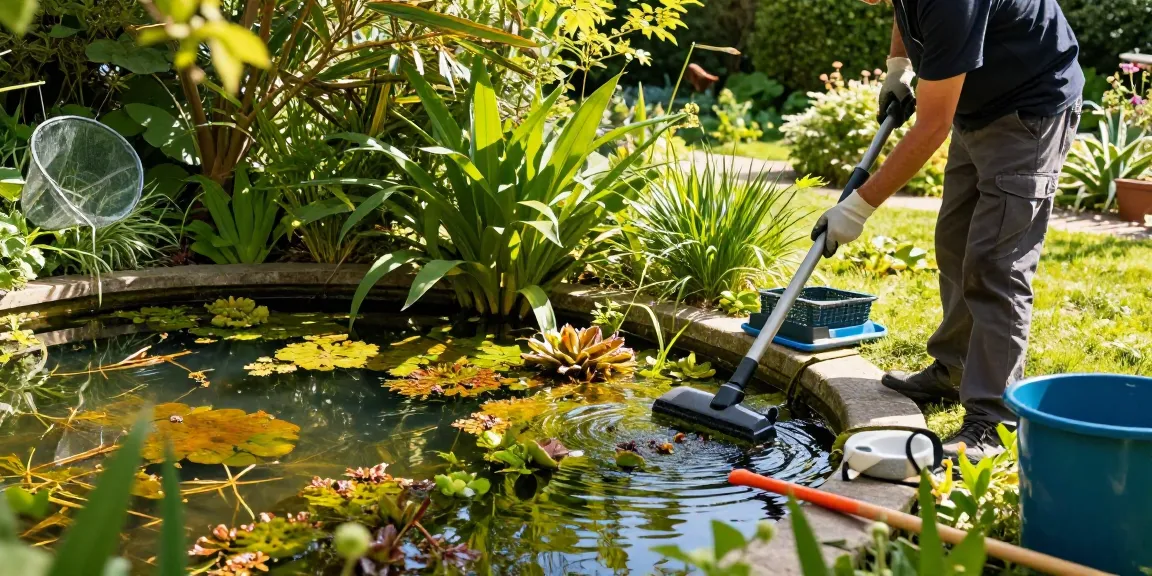
Routine maintenance is vital for the health of your marginal plants. Early in the growing season, trim any dead or damaged foliage to promote new growth. In autumn, consider pruning back to prevent debris build-up that could affect water quality. Additionally, monitor for invasive species; remove any that may encroach on your native plants.
Common Challenges and How to Overcome Them
One common challenge with marginal pond plants is overgrowth. Regular maintenance, including periodic thinning, will help manage plant density and maintain a balanced ecosystem. Additionally, some plants may attract pests; using organic pest control methods will minimize disruption to your pond’s ecosystem.
Designing Your Pond with Marginal Plants
The strategic placement of marginal plants can greatly enhance the overall appearance and function of your pond.
Creating Visual Balance and Aesthetic Appeal
Designing your pond layout requires thoughtful consideration of plant height, texture, and color. Mixing taller plants with shorter varieties creates depth and intrigue. Consider grouping plants in odd numbers for a more natural look, and use contrasting colors and textures to draw the eye.
Using Marginal Plants to Control Algae
Marginal plants can help manage algae growth by competing for nutrients and sunlight. By establishing a dense planting area around the pond’s edges, they absorb excess nutrients that would otherwise fuel algae blooms. This natural method improves water clarity and quality.
Integrating Hardscape Elements
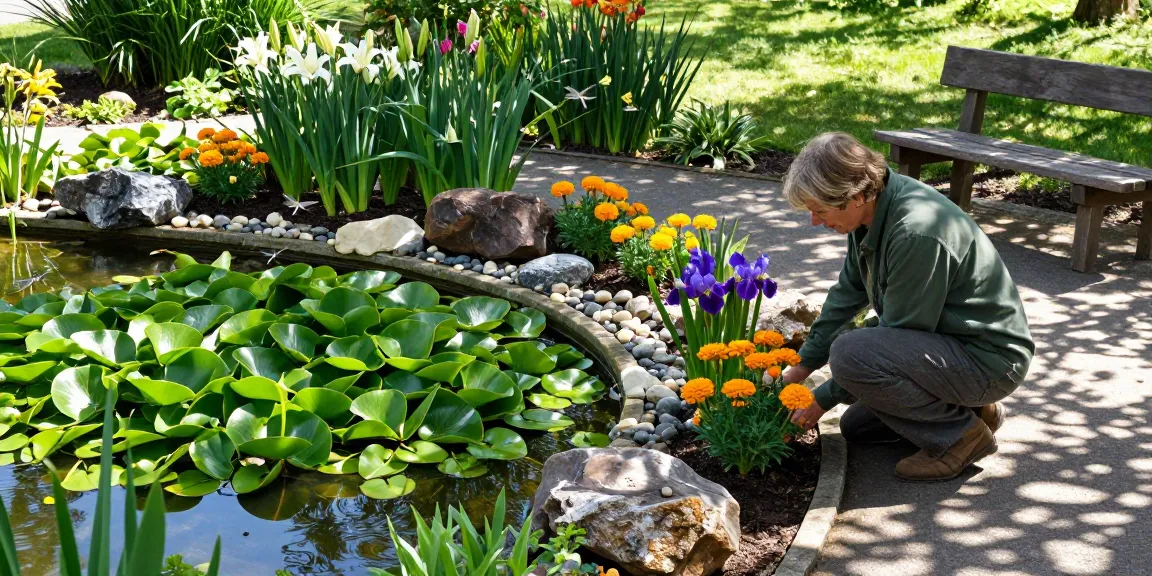
Incorporating hardscape elements such as rocks, pathways, and benches into your pond design complements the natural beauty of marginal plants. These features not only enhance aesthetics but also provide functional spaces for enjoyment, making the pond a focal point of your garden.
Future Trends in Pond Planting Techniques
The field of aquatic gardening continues to evolve, presenting new opportunities for improving pond health and aesthetics.
Innovative Planting Methods for 2026
In 2026, innovative methods such as hydroponic planting and vertical gardens are gaining popularity. These techniques allow for more efficient use of space and resources, making them ideal for smaller ponds or urban settings.
Emerging Plant Varieties and Cultivars
New cultivars of marginal plants are continually being developed, focusing on improved hardiness and resistance to pests. Keeping an eye on emerging varieties will allow gardeners to select the best options for their ponds.
Expert Insights on Sustainable Practices
As we advance, sustainable practices in pond gardening are becoming increasingly important. Incorporating native plants, reducing chemical use, and promoting biodiversity are key trends that contribute to healthier ecosystems.
What Should I Look for When Buying Marginal Pond Plants?
When purchasing marginal pond plants, consider their growth habits, compatibility with local wildlife, and ecological benefits. Look for healthy, robust plants free from pests or diseases to ensure a successful addition to your pond.
How Do I Care for Marginal Pond Plants?
Caring for marginal pond plants involves regular maintenance such as pruning, monitoring water levels, and ensuring they have adequate light and nutrients. Observing your plants closely will provide insights into when they need attention.
Can Marginal Plants Help with Pond Algae Control?
Yes, marginal plants play a significant role in preventing algae by competing for nutrients and sunlight. By establishing a robust plant community, you can effectively reduce algae growth and enhance water quality.
What Are the Best Types of Marginal Plants for Small Ponds?
For smaller ponds, consider low-maintenance and compact species such as water irises, sedges, or dwarf varieties of pickerel rush. These plants can thrive in limited spaces while providing essential ecological benefits.
Do Marginal Plants Attract Wildlife?
Absolutely! Marginal plants are crucial for attracting various wildlife species, including frogs, dragonflies, and birds. Their flowers and foliage provide shelter and food sources, creating a vibrant and diverse ecosystem around your pond.