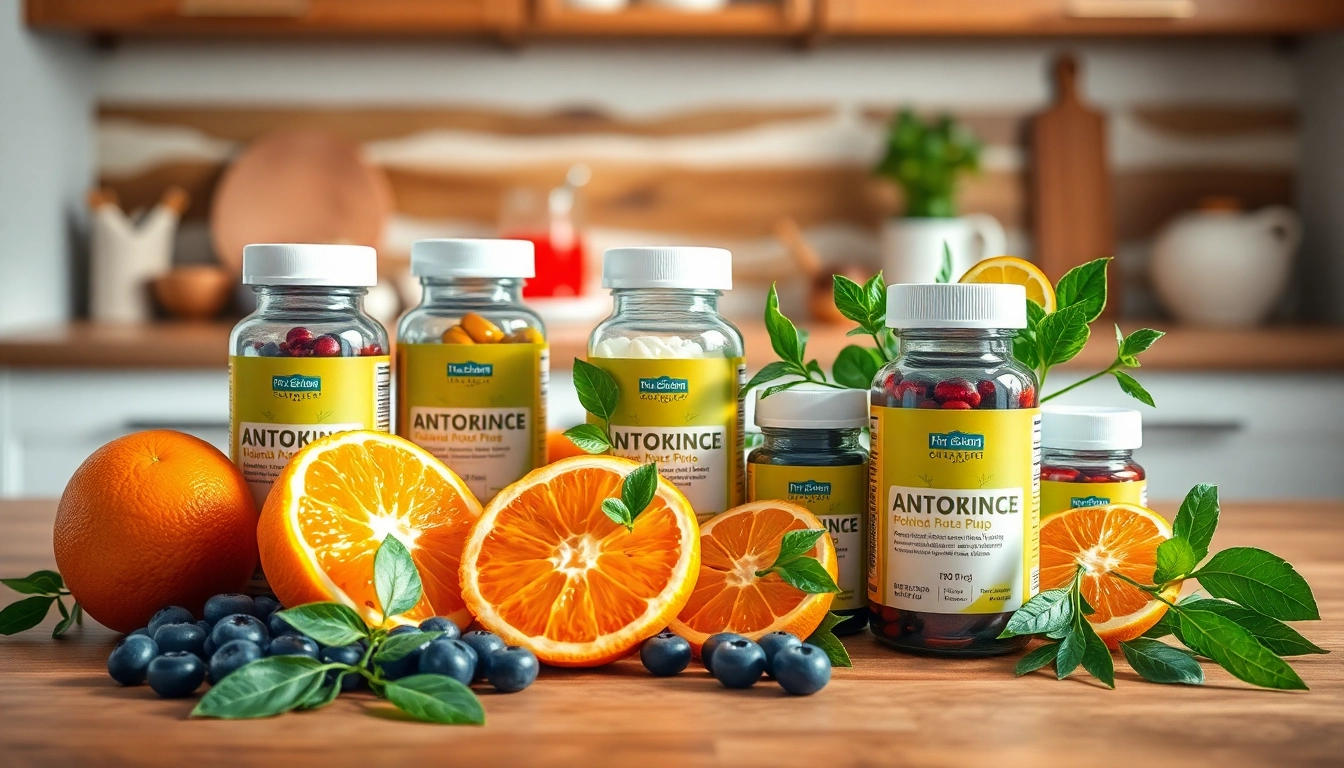
Understanding Natural Antioxidant Supplements
What Are Natural Antioxidant Supplements?
Natural antioxidant supplements refer to products derived from naturally occurring substances that help combat oxidative stress in the body. They are formulated to enhance the body’s ability to neutralize free radicals—unstable molecules that can cause cellular damage. The prevalence of environmental stressors, poor dietary habits, and lifestyle factors has sparked interest in the potential of these supplements to support health and well-being. While many people strive to obtain their nutrients from whole foods, some find it convenient and effective to incorporate natural antioxidant supplement into their daily routine.
Key Ingredients in Natural Antioxidant Supplements
A variety of ingredients can be found in natural antioxidant supplements. Some of the most common include:
- Vitamins C and E: These vitamins are well-known for their potent antioxidant properties. Vitamin C helps to protect cells from damage, while vitamin E supports skin health and may reduce the risk of chronic diseases.
- Flavonoids: Found in fruits and vegetables, flavonoids are a large group of plant compounds that possess significant antioxidant abilities. They help combat inflammation and may improve heart health.
- Coenzyme Q10: This nutrient plays a vital role in energy production within cells and acts as a powerful antioxidant, protecting the body from oxidative stress.
- Selenium: An essential mineral that supports antioxidant activity, selenium is crucial for maintaining cellular health and immune function.
- Adaptogenic herbs: Herbs like ashwagandha and rhodiola are considered adaptogens, which may help the body manage stress and balance its response to environmental factors.
How They Work in the Body
Antioxidants counteract oxidative stress by neutralizing free radicals, which can initiate a cascade of cellular damage leading to chronic conditions such as heart disease, cancer, and neurodegenerative disorders. When the body is overwhelmed by free radicals, it creates an imbalance known as oxidative stress, contributing to inflammation and tissue damage.
Natural antioxidant supplements increase the availability of these vital compounds, allowing for enhanced cellular protection. They boost the body’s defense mechanisms, promote repair processes, and ultimately contribute to improved health outcomes.
Health Benefits of Natural Antioxidant Supplements
Combating Oxidative Stress
A primary benefit of natural antioxidant supplements lies in their ability to combat oxidative stress. Oxidative stress occurs when reactive oxygen species outnumber the body’s antioxidants, leading to cellular injury. Research has shown that a diet rich in antioxidants is linked to a reduced risk of chronic diseases. By incorporating a natural antioxidant supplement, individuals can enhance their antioxidant defenses more readily.
Supporting Immune Function
Your immune system relies heavily on antioxidants to function optimally. Antioxidants help protect immune cells from oxidative damage, improving their ability to respond to pathogens. Studies suggest that specific antioxidants may enhance the production and activity of immune cells, leading to better overall health.
Enhancing Skin Health
Natural antioxidant supplements play a crucial role in promoting skin health by reducing oxidative stress caused by UV rays, pollution, and other environmental factors. Ingredients like vitamin C help boost collagen production, leading to enhanced skin elasticity, reduced wrinkles, and a more radiant complexion. Furthermore, antioxidants can help mitigate signs of aging and promote skin hydration and repair.
Choosing the Right Natural Antioxidant Supplement
Factors to Consider
When selecting a natural antioxidant supplement, consider the following factors:
- Ingredient Quality: Look for supplements made from high-quality, pure ingredients. Check for certifications, such as GMP (Good Manufacturing Practices), that indicate the product’s safety and efficacy.
- Sources: Identify supplements that use whole food sources of antioxidants rather than synthetic alternatives. Whole foods typically offer a broader spectrum of benefits.
- Targeted Health Needs: Consider your specific health goals. Some antioxidants may be better suited for certain issues—like skin health or immune support—so choose accordingly.
Reading Labels Effectively
Understanding supplement labels can be challenging but is essential for informed choices. Look for:
- Active Ingredients: Ensure the label lists the key active antioxidant ingredients and their dosages.
- Servings Per Container: Consider how many servings a bottle provides, as this affects the cost-effectiveness of your purchase.
- Excipients: Check for fillers or artificial additives that may not contribute positively to your health.
Consulting Healthcare Professionals
Before beginning any new supplement regimen, it’s advisable to consult with a healthcare professional. They can evaluate your health status, discuss potential interactions with medications, and help you determine if a natural antioxidant supplement aligns with your nutritional needs. This personalized approach ensures you make safer and more effective choices for your well-being.
Incorporating Natural Antioxidant Supplements Into Your Diet
Creative Ways to Take Supplements
Integrating natural antioxidant supplements into your daily routine can be simple. Consider:
- Morning Smoothies: Add powders or capsules to your morning smoothie for a nutritious boost.
- Homemade Energy Bites: Mix supplements into energy bites made from nuts, nut butter, and dried fruits for a healthy snack.
- Infused Water: Dissolve powdered antioxidants into water or herbal tea for a refreshing drink.
Pairing with Food for Maximum Benefits
To enhance the absorption of antioxidants, pair your supplements with food that supports their effectiveness. For instance:
- Fats: Healthy fats, such as avocado or olive oil, can increase the absorption of fat-soluble antioxidants.
- Vitamin C and Iron: Consuming vitamin C-rich foods, like citrus fruits, with iron sources can enhance iron absorption.
- Colorful Fruits and Vegetables: Pairing supplements with a variety of colorful produce can maximize your antioxidant intake and support overall health.
Daily Dosage Recommendations
Dosage recommendations can depend on the specific supplement and health goals. It’s essential to follow the manufacturer’s guidelines and adjust according to individual health requirements. Typically, it is advised to start with the lowest recommended dose and assess how your body responds before increasing. Remember, consistency is key to reaping the full benefits of any supplement.
FAQs About Natural Antioxidant Supplements
What are natural antioxidant supplements made of?
Natural antioxidant supplements are composed of ingredients like vitamins C and E, flavonoids, coenzyme Q10, selenium, and adaptogenic herbs, all contributing to combating oxidative stress.
Can I get enough antioxidants from my diet?
While it’s possible to obtain antioxidants from a well-rounded diet rich in fruits, vegetables, nuts, and whole grains, some individuals may benefit from supplements, especially if their dietary intake is low.
Are there side effects from natural antioxidant supplements?
Generally, natural antioxidant supplements are safe when taken as directed. However, excessive dosages can lead to side effects or interact with medications; consult a healthcare professional if unsure.
How long does it take to see results?
Results may vary based on individual health status and the specific supplement used. Some may notice improvements in vitality and skin health within weeks, while others might take longer.
Should I take them daily?
Daily use of natural antioxidant supplements can be beneficial, particularly for individuals with specific nutritional gaps or increased oxidative stress. Consult a healthcare provider for personalized guidance.