Why Choose a Wellness Retreat?
Understanding the Benefits of a Wellness Retreat
In a world marked by relentless pace and constant demands, the concept of a wellness retreat provides a sanctuary for those seeking reprieve from the everyday hustle. But what exactly are the benefits of immersing oneself in such a restorative environment?
Wellness retreats offer a holistic approach to personal well-being, integrating physical, mental, and spiritual health into one enriching experience. By engaging in wellness retreats, individuals can tap into an atmosphere that fosters rejuvenation, relaxation, and self-discovery. The key benefits encompass stress reduction, enhanced emotional resilience, improved physical health, and a greater sense of clarity and purpose.
Mental Health Improvements through Retreat Experiences
Attending a wellness retreat can significantly enhance mental health. These retreats provide a break from daily stressors, allowing individuals to disconnect from digital distractions and cultivate mindfulness. By participating in guided meditation, group therapy sessions, or journaling workshops, attendees can explore their thoughts and emotions in a supportive and non-judgmental environment.
Research indicates that environments focused on relaxation can lower cortisol levels, the hormone associated with stress, promoting overall mental wellness. Moreover, bonding with like-minded individuals enhances feelings of belonging and reduces feelings of isolation, which can be particularly beneficial for mental health.
Physical Wellness: Activities Offered at a Wellness Retreat
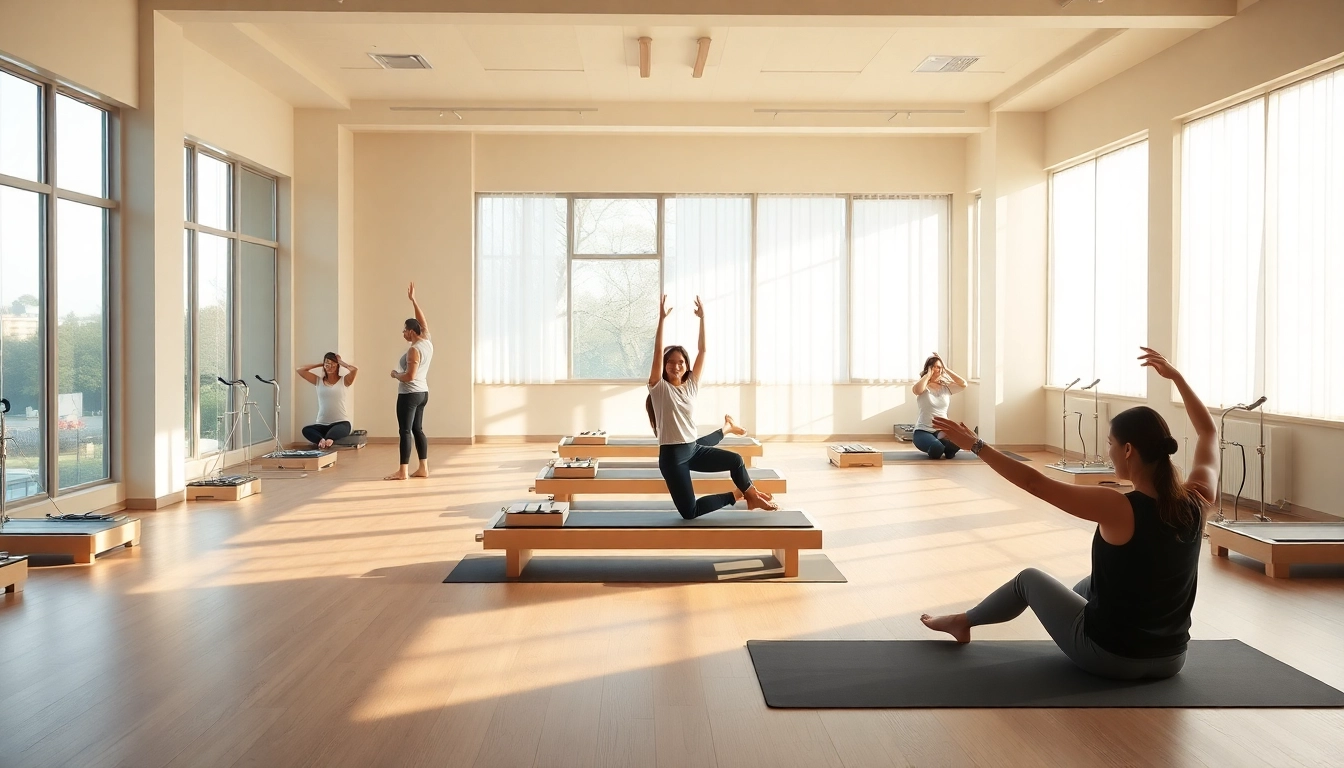
Physical activity is a cornerstone of many wellness retreats. From yoga sessions designed for all levels to invigorating hikes in nature, these activities cater to various preferences and fitness levels. Engaging in regular physical movement not only aids in physical health but also strengthens the mind-body connection, which is crucial for overall wellness.
Moreover, retreats often include wellness-focused meals and cooking workshops, promoting the importance of nutrition in maintaining health. This combination of physical activity and healthy eating contributes to weight management, boosts energy levels, and fosters a greater appreciation for one’s body.
Choosing the Right Wellness Retreat
Finding a Retreat that Fits Your Needs
Not all wellness retreats are created equal. Identifying the perfect retreat requires understanding personal goals and preferences. There are retreats that focus primarily on yoga, those that emphasize detoxification, and even others centered around nature immersion or creative expression.
Before selecting a retreat, consider factors such as duration, location, program strengths, and amenities. Online reviews, testimonials, and personal recommendations can also provide insight into the quality and effectiveness of the retreat experience.
What to Look for in a Wellness Retreat Package
When evaluating retreat packages, consider the inclusivity of activities and accommodations. Look for programs that offer a balanced mix of structured activities and free time, allowing for individual exploration. Assess meal options, access to wellness professionals, and available facilities such as spas, fitness centers, or nature trails.
Moreover, transparency in pricing is vital. Ensure that you are aware of any additional costs for activities that are not included in the base package. Understanding what is provided up front allows for informed decision-making and prevents unexpected expenses.
Evaluating Retreat Locations for Optimal Relaxation
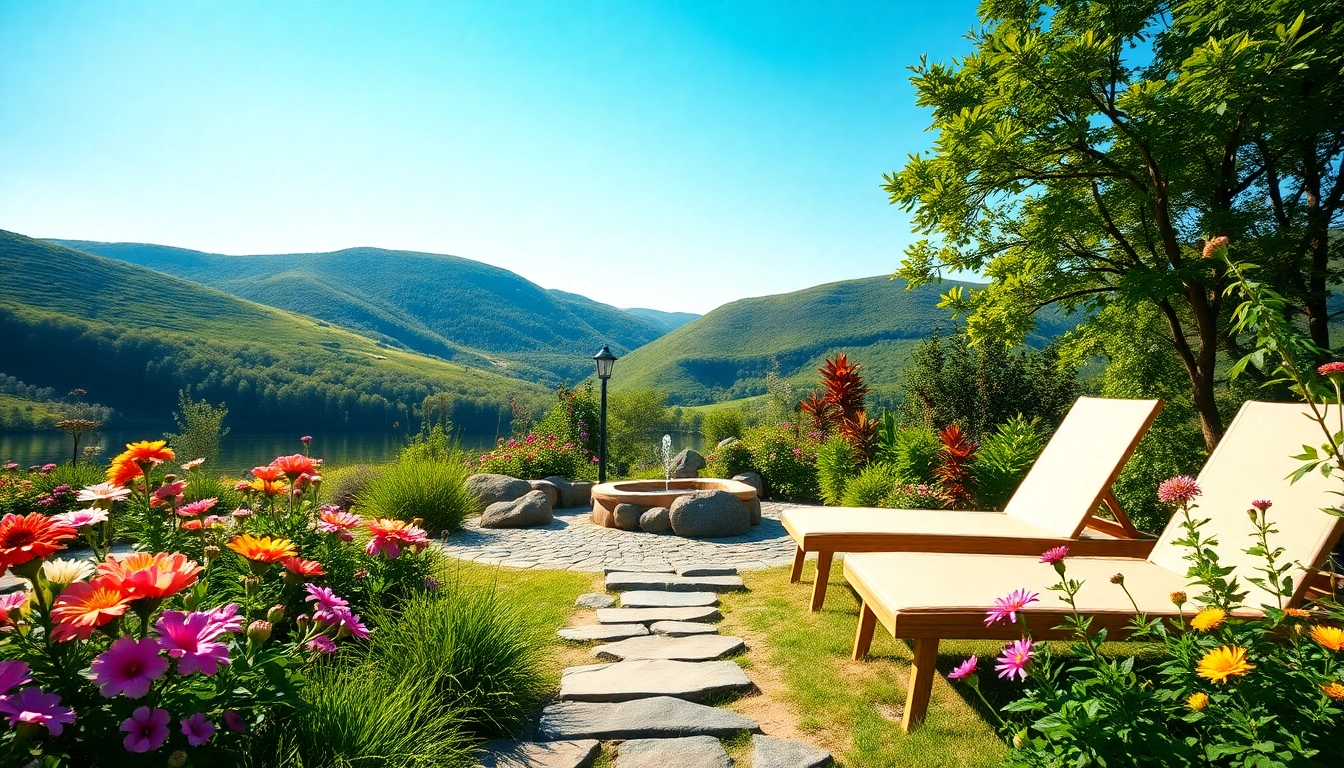
The location of a wellness retreat significantly impacts the overall experience. Natural settings, such as mountains, beaches, or serene forests, support stress relief and enhance relaxation by allowing participants to immerse themselves in the beauty of nature.
Accessibility is another critical factor. While some may prefer the secluded charm of remote locations, others might look for retreats that are easily reachable. Consider travel time, local amenities, and the surrounding environment when choosing a destination.
Activities and Programs at a Wellness Retreat
Wellness Exercises that Nourish the Body
Innovative fitness programs are a staple in many wellness retreats, offering more than just traditional exercise. Expect to encounter a variety of movement styles—from Pilates to Tai Chi to high-intensity interval training (HIIT)—tailored to enhance strength, flexibility, and endurance.
Many retreats incorporate the philosophy of mindful movement, emphasizing awareness of the body during physical activities. This approach not only improves fitness but also encourages participants to listen to their bodies, fostering respect and care for one’s physical health.
Meditation and Mindfulness Practices
Meditation is often the heart of a wellness retreat experience. Different meditation techniques, such as guided imagery, loving-kindness meditation, and breath awareness, allow individuals to discover which practices resonate most deeply.
Mindfulness sessions may also include walking meditations or mindful eating exercises, encouraging participants to savor each moment. Cultivating mindfulness during a retreat equips individuals with valuable tools to carry back into their daily lives, supporting long-term mental health.
Nutrition and Cooking Workshops Available
Food plays a central role in the retreat experience, where nutrition often focuses on clean, whole, and nourishing ingredients. Many retreats offer cooking workshops, teaching participants how to prepare healthy meals that support physical wellness.
Learning about nutrition, understanding dietary needs, and exploring new recipes can transform one’s relationship with food, empowering attendees to make informed choices upon returning home.
What to Expect During Your Stay
Daily Schedule Overview at a Wellness Retreat
Daily routines are structured yet flexible in most wellness retreats. Morning routines might start with yoga or meditation, followed by wholesome meals that nourish the body. After breakfast, participants typically engage in workshops, meditation, or outdoor activities designed to encourage connection with the environment.
Afternoons often include free time, allowing attendees to relax or explore individual interests, while evenings may feature group discussions, relaxation sessions, or entertainment that encourages bonding and reflection.
Accommodations and Amenities Provided
Accommodation styles can vary significantly, from luxurious resorts to rustic cabins. Regardless of the façade, amenities that promote relaxation—such as spas, hot tubs, comfortable lounges, and scenic views—are often core highlights of the experience.
It’s essential to research accommodation options based on personal preferences for privacy, comfort, and accessibility. Regardless of the setting, a good retreat should strike a balance between sophistication and homeliness, creating a true sanctuary for wellness.
Building Community with Fellow Retreat Goers
A significant aspect of any wellness retreat is the community formed among participants. Engaging in shared activities, meals, and discussions fosters connections that often extend beyond the retreat.
Community provides an essential support system, reinforcing the lessons learned and practices adopted during the retreat. Friendships forged in such environments can lead to lasting interactions, aiding the collective wellness journey.
Tips for Making the Most of Your Wellness Retreat
Preparing for Your Retreat: What to Pack
Preparation is not only practical but also part of the wellness journey. Pack light, focusing on essentials such as comfortable clothing, personal hygiene products, and any special items for activities (like a yoga mat or running shoes).
Don’t forget essentials for self-care, such as journals and meditation aids. Additionally, having a sense of structure can enhance the experience; research the specific facilities and services available at the retreat to ensure you bring everything you might need.
Setting Intentions for Your Wellness Journey
Intentions serve as guideposts during your retreat. Spend some quiet time reflecting on your objectives, whether it’s stress relief, healing, or self-discovery. Write these intentions down to inspire motivation and focus throughout the retreat.
Sharing intentions within group settings can enhance accountability and connection with fellow participants, creating a shared commitment to growth and learning.
Maintaining Wellness after Returning Home
Transitioning back to daily life after a wellness retreat can be challenging. To maintain the momentum built during the retreat, create a plan outlining how you’ll integrate learned practices into your routine. Set reminders to meditate, exercise regularly, and incorporate nourishing meals into your diet.
Additionally, continue to foster the relationships built during the retreat. Regularly connect with fellow attendees or join local wellness groups to share experiences and keep motivation high.
Frequently Asked Questions
What Should I Expect at a Wellness Retreat?
You can expect a mix of structured activities, meditation, nutrition workshops, and time for relaxation. Most retreats focus on fostering a supportive environment for personal growth.
How Do I Choose the Right Wellness Retreat?
Identify your wellness goals and consider factors like activity focus, duration, and location. Research reviews and seek recommendations to find a retreat that fits your needs.
Will I Have Alone Time during a Retreat?
Yes, wellness retreats typically include free time for personal reflection and relaxation. This balance helps individuals recharge and integrate their experiences.
Do I Need to Be Fit to Attend a Wellness Retreat?
No, most wellness retreats cater to various fitness levels. Options are often available for beginners, ensuring everyone can participate comfortably.
How Can I Stay Well after the Retreat Ends?
Maintain your wellness journey by planning to incorporate practices learned at the retreat into your daily routine, such as meditation, exercise, and proper nutrition.