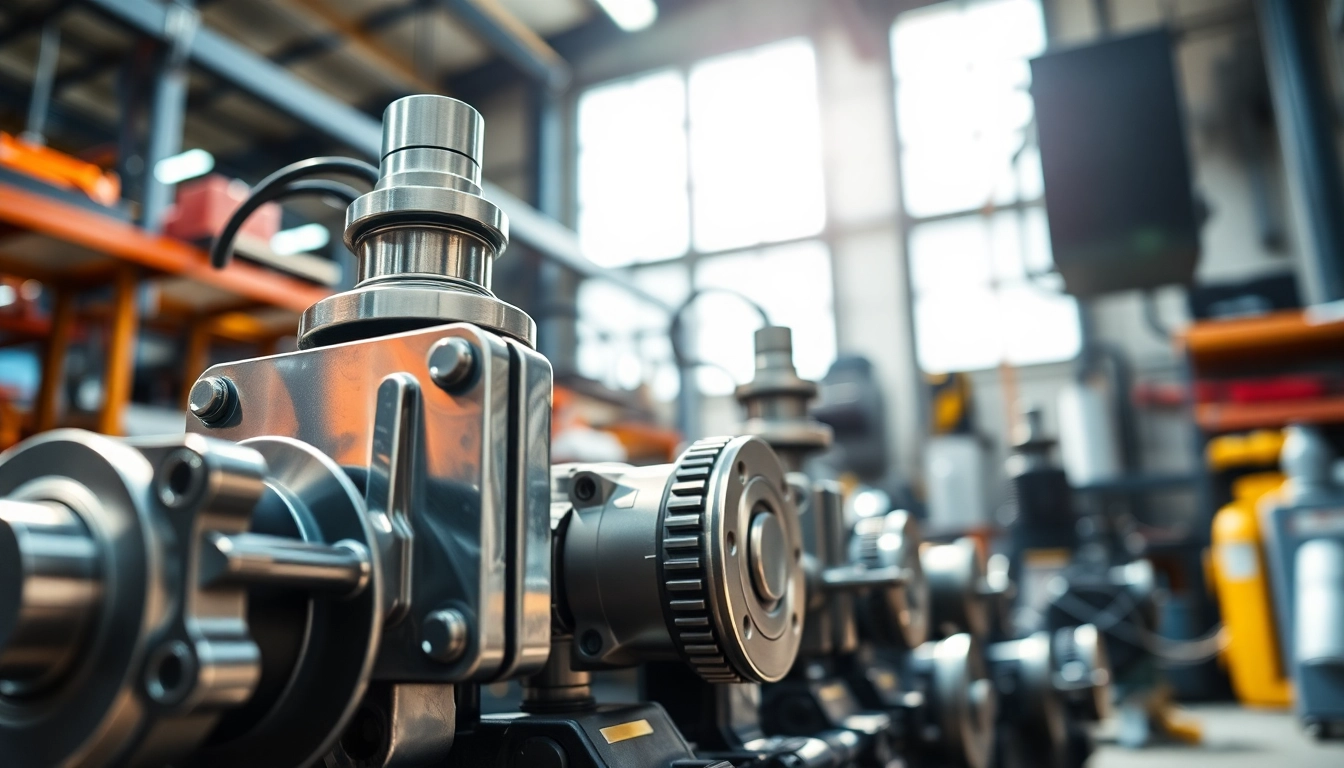
Understanding Fluid Power Systems
Definition and Applications
Fluid power systems are essential mechanisms that utilize fluids to transmit and control energy. These systems leverage hydraulic or pneumatic power to perform various tasks effectively. The fundamental operation of fluid power systems revolves around the use of pressurized liquids or gases to generate force or movement. Common applications can be seen across multiple industries, including manufacturing, aerospace, automotive, and construction. In factories, for example, fluid power systems are used for assembly lines, robotic arms, and material handling equipment, allowing for high efficiency and precision in operations.
Types of Fluid Power Systems
Fluid power systems mainly fall into two categories: hydraulic and pneumatic systems. Hydraulic systems involve the use of incompressible fluids (usually oil) transmitted through various components to generate power, which enables tasks such as lifting heavy loads or operating machinery. Pneumatic systems, on the other hand, utilize compressed air or gases, making them well-suited for applications requiring rapid movements. While both systems have their advantages and disadvantages, the choice between hydraulic and pneumatic systems often comes down to the specific requirements of the application, including force, speed, and operating environment.
Basic Components of Fluid Power Systems
Fluid power systems consist of several critical components, including:
- Pumps: Convert mechanical energy into hydraulic energy by pushing fluid through the system.
- Actuators: Devices that convert hydraulic or pneumatic energy into mechanical work, typically in the form of linear or rotary motion.
- Valves: Control the flow and direction of the fluid within the system.
- Reservoirs: Store hydraulic fluid and maintain system pressure.
- Filters: Remove contaminants from the fluid, ensuring the system’s longevity and reliability.
Each component plays a crucial role in the overall functioning of fluid power systems, aligning with the needs of specific applications.
Benefits of Utilizing Fluid Power Systems
Efficiency in Energy Transmission
One of the primary benefits of fluid power systems is their exceptional efficiency in energy transmission. Compared to mechanical systems, which convert energy through gears and belts, fluid power systems can transmit large amounts of energy over significant distances without loss of force. This is particularly advantageous in applications requiring precision and control, such as drilling or pressing machinery, where maintaining accurate force distribution is critical.
Versatility in Industrial Applications
Fluid power systems are remarkably versatile, finding use across a variety of industries. In construction, they operate heavy machinery such as excavators and bulldozers; in agriculture, they assist in automating planting and harvesting processes. The ability to easily scale and adapt fluid power systems enables them to handle different loads, speeds, and application requirements, enhancing their value in a rapidly evolving industrial landscape.
Safety and Automation Enhancements
Fluid power systems are inherently safer than some mechanical counterparts due to their design, which often includes built-in safety features. For instance, hydraulic systems can provide overload protection, ensuring operational safety under various conditions. Additionally, advancements in automation and control technologies have allowed for the integration of fluid power systems within larger automated processes, increasing operational efficiency and reducing the potential for human error in manufacturing environments.
Common Challenges in Fluid Power Systems
Maintenance and Reliability Issues
While fluid power systems offer numerous advantages, they also come with challenges, particularly concerning maintenance. Regular inspections and proactive maintenance are critical to avoid system failures and ensure reliability. Common maintenance tasks include checking fluid levels, inspecting hoses and seals for leaks, and replacing filters. Implementing a maintenance schedule can significantly increase the lifespan of the system and prevent downtime caused by unexpected failures.
Component Sizing and Compatibility
The selection of appropriately sized components is vital for the efficient operation of fluid power systems. Under-sizing components can lead to poor system performance, while over-sizing can result in excessive energy consumption and higher costs. Additionally, ensuring component compatibility is essential to maintain system integrity and functionality. Engineers must carefully consider fluid characteristics, pressure ratings, and flow capacities when designing systems to avoid inefficiencies.
Fluid Contamination and Management
Fluid contamination is a significant issue that can lead to system degradation, reduced performance, and costly repairs. External pollutants, such as dirt and water, can enter hydraulic circuits, compromising fluid quality. Implementing effective filtration systems, conducting regular fluid analysis, and following best practices for fluid storage and handling can mitigate these risks. Establishing preventive measures not only promotes efficiency but also extends the lifespan of expensive system components.
Best Practices for Implementing Fluid Power Systems
Design Considerations for Systems
When designing fluid power systems, several key considerations should be addressed, including fluid selection, system layout, and load requirements. Engineers should choose the best-suited fluid based on the working environment, temperature conditions, and the type of application. Additionally, the routing of hoses and pipes should minimize bends and sharp turns to reduce pressure drops and improve overall efficiency.
Regular Maintenance and Inspection
Establishing a consistent maintenance and inspection regimen is essential for the reliability and performance of fluid power systems. Scheduled checks to evaluate component condition, fluid cleanliness, and system performance can detect potential issues before they escalate. Such proactive measures not only prevent costly repairs but also optimize system performance, ultimately ensuring the system’s longevity.
Training for Operators and Technicians
A well-trained workforce is crucial for the effective operation of fluid power systems. Providing training for operators and technicians on system functionalities, safety protocols, and maintenance procedures can increase overall efficiency and safety. Knowledgeable staff members can identify potential problems quickly, leading to faster troubleshooting and minimizes downtime.
Future Trends in Fluid Power Systems
Advancements in Technology
The field of fluid power systems is continuously evolving, with technological advancements enhancing their efficiency and application scope. Innovations such as smart sensors, IoT integration, and data analytics are enabling predictive maintenance capabilities, allowing for improved system monitoring and optimization. As these technologies develop, fluid power systems will become even more integral in industrial process automation.
Sustainability in Fluid Power Solutions
As industries increasingly focus on sustainability, fluid power systems are adapting to meet these expectations. Manufacturers are exploring biodegradable fluids and creating more efficient systems that consume less energy and generate fewer emissions. This alignment with sustainable practices not only benefits the environment but also positions companies as socially responsible entities within competitive markets.
Integration with Smart Systems
The future of fluid power systems lies in their integration with smart manufacturing technologies. Incorporating smart devices allows for real-time monitoring and adaptive control of fluid power systems. Through data collection and analysis, systems can optimize their performance dynamically, responding to variable loads and operational conditions, ultimately leading to increased productivity and reduced operational costs.
Frequently Asked Questions
What are fluid power systems?
Fluid power systems use pressurized liquids or gases to transmit power and perform tasks across various industries, including manufacturing and construction.
How do hydraulic and pneumatic systems differ?
Hydraulic systems utilize incompressible fluids like oil, while pneumatic systems use compressible gases like air. This affects force generation and application suitability.
What are the primary components of fluid power systems?
Main components include pumps, actuators, valves, reservoirs, and filters, all essential for efficient energy transmission and system operation.
Why is fluid contamination significant in fluid power systems?
Contamination can degrade fluid quality, lead to component wear, and affect system performance. Regular maintenance and good practices help manage contamination.
What trends are shaping the future of fluid power systems?
Key trends include technological advancements like IoT integration, a focus on sustainability, and the development of smart systems that improve efficiency and adaptability.
Contact Information
Call Us: 1 780-452-2876
Email: [email protected]
Address: 13111 159 St NW, Edmonton, AB, Canada, T5V 1H6