Understanding the Concept of Island Light
Definition of Island Light
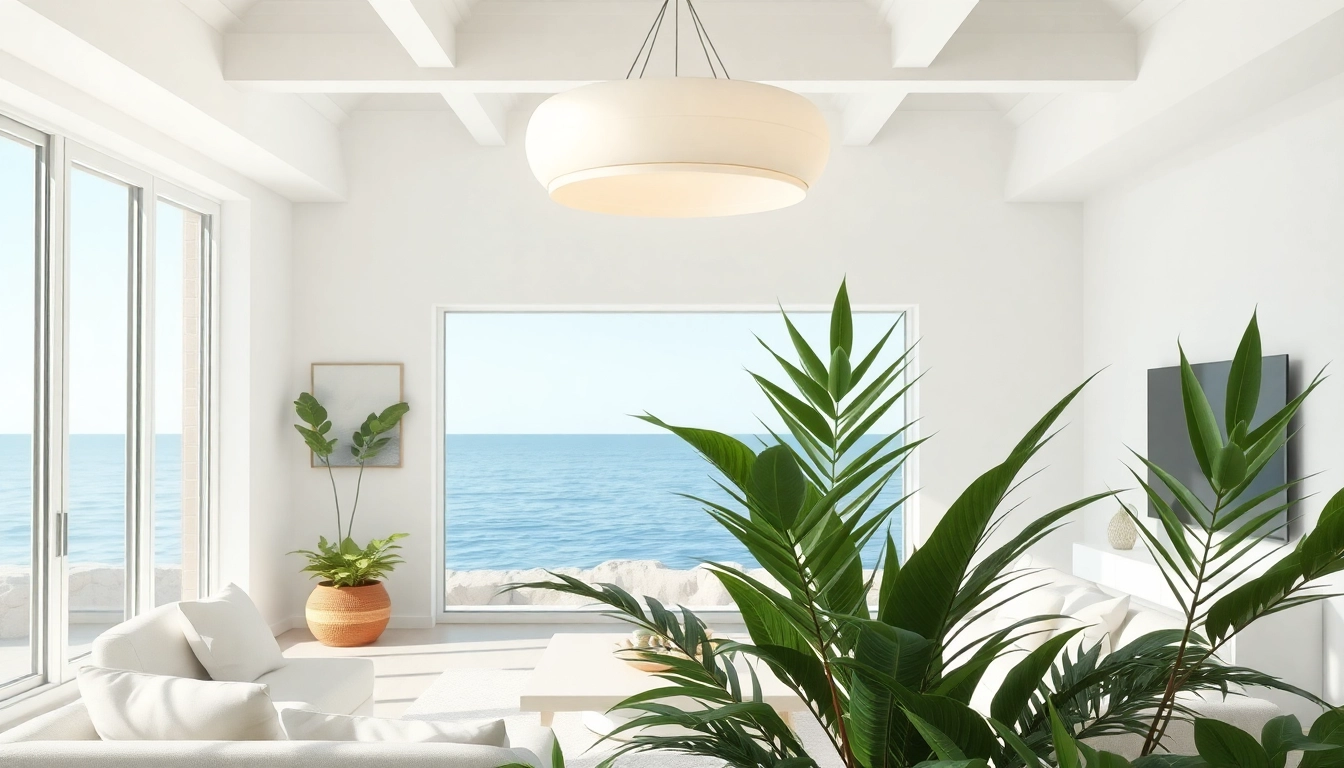
Island light, often referred to as pendant lights, is a specialized lighting fixture specifically designed to illuminate kitchen islands, dining areas, or similar spaces where functionality and aesthetic appeal are essential. These fixtures come in various styles, sizes, and materials, providing not only illumination but also an artistic element to the overall design of the room. They serve as a focal point, drawing attention while enhancing the ambiance of the space.
Benefits of Using Island Light
The use of island light fixtures offers numerous benefits beyond mere illumination. First, they provide localized lighting, allowing homeowners to perform tasks more easily, especially in kitchen environments. This task-specific lighting can improve safety by reducing shadows and dark areas. Additionally, island lights can elevate the room’s design—acting as a statement piece that complements the decor and adds character to the space.
Environmentally, many modern island lights support energy-efficient bulbs, such as LEDs, which not only reduce electricity costs but also contribute to a lower carbon footprint. Furthermore, the versatility of island light fixtures means they can be tailored to suit various interior styles, from contemporary to rustic, thus broadening their appeal.
Types of Island Light Fixtures
When selecting an island light fixture, several types are available, each bringing unique characteristics and benefits:
- Pendant Lights: These hang from the ceiling and come in various styles, sizes, and colors, making them an excellent choice for customization.
- Chandeliers: For those looking to make a statement, chandeliers can serve as a luxurious option that combines beauty and functionality.
- LED Strip Lights: These provide a modern take on lighting, ideal for a sleek, minimalist aesthetic.
- Flush Mounts: For lower ceilings, flush-mounted lights can offer excellent illumination without adding height.
- Multi-Light Fixtures: Featuring several bulbs, these fixtures create a cluster effect and are capable of providing a broader beam of light.
Designing with Island Light
Choosing the Right Size Island Light
The size of your island light fixture plays a critical role in its effectiveness and aesthetics. A general guideline is to select a fixture that has a width of one-third to one-half the width of the island. This proportion ensures that the light evenly illuminates the workspace without overwhelming the surrounding area. For instance, if your kitchen island measures four feet, a light fixture with a diameter between 16 to 24 inches is advisable. Furthermore, considering the height of your ceiling is vital. Higher ceilings may require longer pendant lights or multiple fixtures for proper illumination.
Color and Material Considerations
When choosing an island light, the color and material can significantly impact the overall aesthetic of your space. Metals like brass, bronze, and chrome can add an industrial or vintage feel, while glass shades can create elegance through transparency, allowing light to diffuse softly. Additionally, the color palette should harmonize with existing furniture and decor. For a modern look, sleek black or white materials might work, while rustic designs can benefit from wood accents or distressed metals.
Integrating Island Light into Your Space
Integrating island lights requires thoughtful consideration of the surrounding decor. A matching or complementary design can enhance the overall aesthetic. For example, if your kitchen has a modern vibe with muted colors and sharp lines, a contemporary geometric pendant light can accentuate the attributes of the space. Alternatively, in a rustic kitchen with wooden beams and farmhouse decor, warm-colored, vintage-style fixtures can create a cozy ambiance. The key is to ensure continuity across design elements for a coherent look.
Placement Tips for Island Light
Optimal Height for Hanging Island Light
The optimal height for hanging an island light fixture is a crucial factor that contributes to its functionality and aesthetics. A general rule of thumb is to position the light 30 to 36 inches above the countertop surface. This height ensures adequate light coverage for tasks while avoiding obstructing sightlines. However, factors such as the fixture’s style and bulb type can influence this standard. For example, larger pendants may need to be hung a bit higher to avoid looking overpowering in the space.
Creating Balance with Other Lighting Fixtures
Achieving balance in room lighting enhances visual appeal and functionality. Combining island lights with other lighting forms—such as recessed lights or wall sconces—can help distribute light evenly throughout the space. For instance, if the island light is more decorative, pair it with practical ambient lighting to eliminate shadows and flat lighting. Additionally, the style of the fixtures should complement each other; for example, modern fixtures should not be placed alongside excessively ornate traditional pieces.
Highlighting Key Areas in Your Room
Island lights offer an excellent opportunity to highlight key areas in your room. Focus on illuminating specific work zones, art pieces, or architectural details that you want to emphasize. Directional pendant lights or adjustable fixtures can be strategically positioned to draw attention to these highlights effectively. Similarly, consider integrating dimmable options that allow for changing light levels depending on the occasion—bright for cooking and soft for entertaining.
Maintenance for Island Light Fixtures
Cleaning and Care Guidelines
Regular maintenance ensures your island light fixtures remain in optimal condition and look their best. Dusting with a soft cloth at least once a month will prevent dust accumulation. For glass or metal elements, use a gentle cleanser to avoid undue damage. It’s essential to check the type of bulbs used; replacing burned-out bulbs promptly ensures consistent light levels and prolongs fixture life. Always refer to the manufacturer’s specific guidelines for care tailored to the materials of your fixture.
Common Issues with Island Light
Despite their appeal, island light fixtures can face several common issues. These include flickering lights, which may indicate an electrical problem or loose connections, and issues with brightness levels potentially due to the choice of bulb or fixture placement. Rust or corrosion can also occur, especially in humid environments. Regular inspections can help catch these problems early, ensuring fixtures remain safe and functional.
When to Replace Your Island Light
Knowing when to replace your island light fixture can be challenging. Signs include diminished brightness, persistent electrical issues, or physical flaws such as cracked glass or damaged hardware. If your light frequently requires bulb replacements or shows wear that detracts from its appearance, it may be time for an upgrade. Choosing a replacement should consider the room’s evolving design style and functionality needs.
Frequently Asked Questions About Island Light
What is the best height to hang an island light?
The ideal height is typically 30 to 36 inches above the island surface for effective illumination.
Can I use an island light in smaller spaces?
Yes, there are compact designs made for smaller spaces that can create a stylish impact.
What type of bulb is best for island lights?
LED bulbs are recommended for energy efficiency and longer lifespan, providing bright illumination.
How do I choose the right style for my island light?
Consider your room decor, opting for a design that complements existing furniture and aesthetics.
What maintenance is required for island light fixtures?
Regular dusting and occasional cleaning with mild soap and water will keep them looking new.