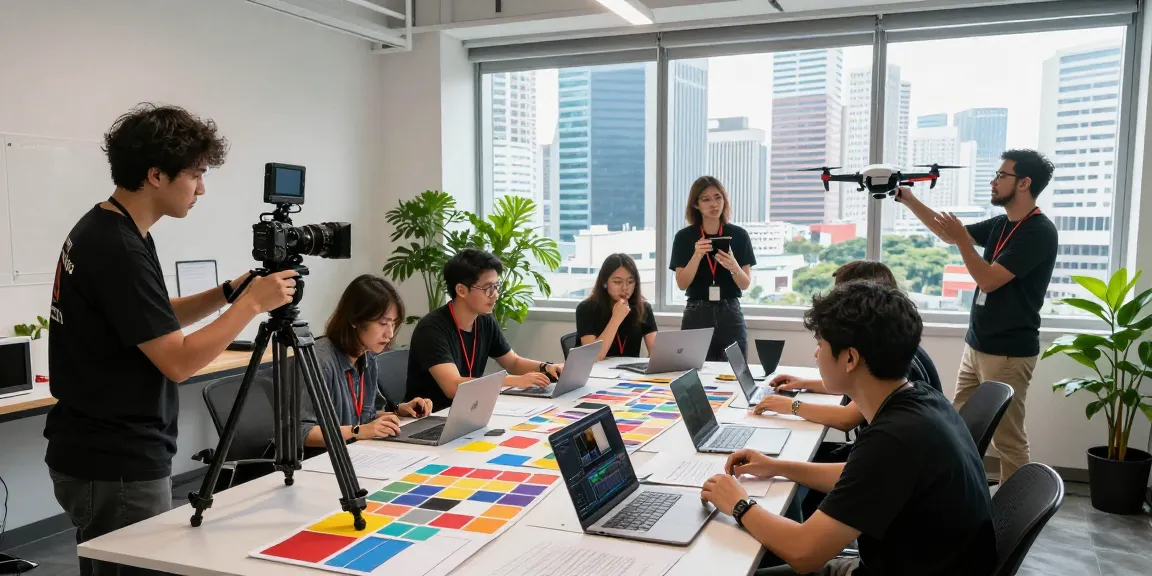
Understanding Design Excellence
Design excellence transcends mere aesthetics, melding functionality, innovation, and user experience into a harmonious whole. In a world saturated with visual stimuli, discerning what makes design exceptional is more crucial than ever. Notably, resources like https://bestdesignersintheworld.com/ highlight individuals and trends setting standards for outstanding design. This article aims to explore the facets of exemplary design, current trends, and how to apply these principles practically.
What Makes a Great Designer?
A great designer embodies a confluence of creativity, technical skill, and emotional intelligence. Creativity fuels the generation of unique ideas, while technical skills ensure those ideas can be realized practically. Emotional intelligence is vital in understanding client needs and connecting with the end-user, fostering trust and satisfaction. Furthermore, adaptability in evolving design landscapes is crucial, enabling designers to remain relevant and innovative.
Moreover, a great designer is a lifelong learner, constantly honing their craft through continuous education. This journey involves attending workshops, following design blogs, and keeping abreast of technological advancements. The balance between artistic vision and pragmatic execution distinguishes the truly great from the good.
Key Features of Exceptional Design
Exceptional design is characterized by several key features that contribute to its impact:
- Functionality: Design should serve a purpose effectively. Whether it’s a product or a space, it must fulfill its intended function without sacrificing user experience.
- Aesthetics: Visual appeal makes an immediate impression. Therefore, careful consideration of form, texture, and color is essential.
- Usability: Ease of use is paramount. Designs should be intuitive, allowing users to interact seamlessly.
- Sustainability: Modern design increasingly considers environmental impact. Materials and processes should minimize ecological footprints.
- Innovation: Creativity should push boundaries, leading to fresh perspectives and groundbreaking ideas.
Importance of Innovative Thinking
Innovative thinking propels design forward, encouraging professionals to challenge conventions and explore new methodologies. It enables solutions to problems that may not have been addressed adequately. For instance, using emerging technologies like augmented reality or artificial intelligence in design processes can yield unique experiences, capturing user attention in novel ways.
Furthermore, innovative thinking can foster collaboration, inspiring interdisciplinary teams to join forces and develop multifaceted solutions. This synergy can lead to groundbreaking projects that would not be possible within siloed approaches, reinforcing the value of diverse perspectives in design.
Top Trends Influencing Design Today
Design is ever-evolving, shaped by societal needs, technological advancements, and cultural shifts. Understanding these top trends helps designers stay relevant and competitive.
Sustainable Design Practices
As global awareness of environmental issues increases, sustainable design practices have risen to prominence. This approach encompasses the selection of eco-friendly materials, responsible sourcing, and energy-efficient production processes. Designers are now challenged to create with an emphasis on minimalism, focusing on products that satisfy both aesthetic desires and ecological responsibility.
Incorporating sustainable practices often requires designers to think critically about the life cycle of their products—from raw material extraction to disposal. Utilizing biodegradable materials or upcycling old products as part of new designs can significantly reduce waste and carbon footprints.
Technology in Modern Design
Advancements in technology are creating new avenues for interaction and creativity in design. Tools such as 3D printing enable designers to prototype quickly and at a lower cost, bringing conceptual designs to life. Digital platforms allow for real-time collaboration, facilitating immediate feedback and fostering creativity.
Moreover, artificial intelligence is revolutionizing design processes by providing insights into user behavior, thereby influencing design decisions. Designers are using data analytics to refine their work, ensuring that their designs resonate deeply with users.
Color Theory and Its Impact
Color theory is fundamental in design, influencing emotions and perceptions. Designers carefully select color palettes to convey messages effectively. For example, blue often induces feelings of calm and trust, while red can evoke excitement or urgency. Understanding these psychological impacts enables designers to communicate their intended message more effectively through their work.
Furthermore, utilizing contrasting colors can enhance visual appeal and accessibility, guiding user attention to focal points within designs. The trend of utilizing bold, vibrant colors is also making waves, appealing to a younger demographic craving non-traditional aesthetics.
Exploring Notable Designers Featured on https://bestdesignersintheworld.com/
The world of design is teeming with talent, and gaining insight into the work of distinguished designers can inspire emerging professionals. Here, we explore their signature styles and contributions to the design community.
Breaking Down Their Signature Styles
Each designer brings a unique perspective and aesthetic to their work. Recognizing these signature styles can aid aspiring designers in developing their voice:
- Minimalism: Though simple, minimalist designs often enhance functionality and highlight essential features by eliminating unnecessary elements.
- Experiential Design: This style focuses on creating immersive experiences, where users engage all senses, making the design memorable.
- Biophilic Design: Integrating natural elements into designs establishes a connection to nature, which can improve well-being and productivity.
Most Influential Designers of the Decade
A select group of designers has significantly impacted the field, influencing trends and inspiring others:
- Design Innovators: Individuals who have pioneered new design methodologies, including those using technology or sustainable practices.
- Cross-disciplinary Collaborators: Designers partnering with other fields, such as architecture and technology, to develop cohesive and impactful solutions.
- Socially Conscious Creators: Designers focused on socially responsible issues, creating works that drive awareness and action in underserved communities.
Emerging Talents in the Design World
Alongside industry veterans, emerging designers are shaking up the scene with fresh ideas and innovative approaches. These talents often experiment with new methods and materials, setting trends that can redefine industries. Supporting these emerging voices is vital for fostering a vibrant and diverse design landscape.
Practical Applications of Design Principles
Understanding design principles is invaluable, guiding effective implementation in various spheres—from homes to commercial spaces. Here’s how to integrate these principles into practical environments:
How to Incorporate Design into Your Home
Home design fosters personal expression while enhancing comfort and functionality. Start by assessing your lifestyle needs: consider layout, furniture arrangement, and color schemes that resonate with you. Following principles such as symmetry can create visual harmony, while introducing varying textures can add depth to spaces.
Furthermore, it’s important to invest in quality over quantity, selecting pieces that offer aesthetic value and functional benefits. Lighting plays a pivotal role, too; well-placed lighting fixtures can transform a space’s atmosphere, illuminating key features and enhancing overall design.
Design for Commercial Spaces
In commercial environments, design directly impacts customer experience and business performance. Understanding the target audience is critical; for instance, a sleek, modern aesthetic may attract a tech-savvy crowd, whereas a warm, inviting atmosphere might be more suitable for a cafe.
Ergonomics and flow should also be considered in commercial design. Well-placed furniture and optimized pathways can enhance customer satisfaction and promote operational efficiency. Incorporating branding elements into the design reinforces identity and nurtures connections with customers.
Outdoor Spaces and Landscape Design
Outdoor spaces offer unique opportunities for creativity and innovation. Landscape design can transform gardens, parks, and recreational areas into functional, beautiful environments. Utilizing natural features, incorporating native plants, and emphasizing sustainability can significantly enhance these spaces.
Moreover, public spaces designed using inclusive principles encourage community interaction and engagement, promoting social well-being. Through thoughtful landscape design, these areas can become not only aesthetic improvements but also vital community resources.
FAQs on Design Concepts and Innovations
What defines good design?
Good design combines functionality, aesthetics, usability, sustainability, and innovation, meeting both user needs and creating visual appeal.
How can one start a career in design?
Begin by pursuing relevant education, building a portfolio, networking with industry professionals, and seeking internships for hands-on experience.
What are the best tools for modern designers?
Essential tools include graphic design software like Adobe Creative Suite, prototyping tools such as Sketch or Figma, and collaboration platforms like Trello.
How do trends influence architecture?
Trends impact architectural design by shaping styles, materials, and user preferences, leading to innovative approaches that address current societal needs.
Why is sustainable design important?
Sustainable design minimizes environmental impact, promotes resource conservation, and encourages responsible practices, ensuring a healthier planet for future generations.