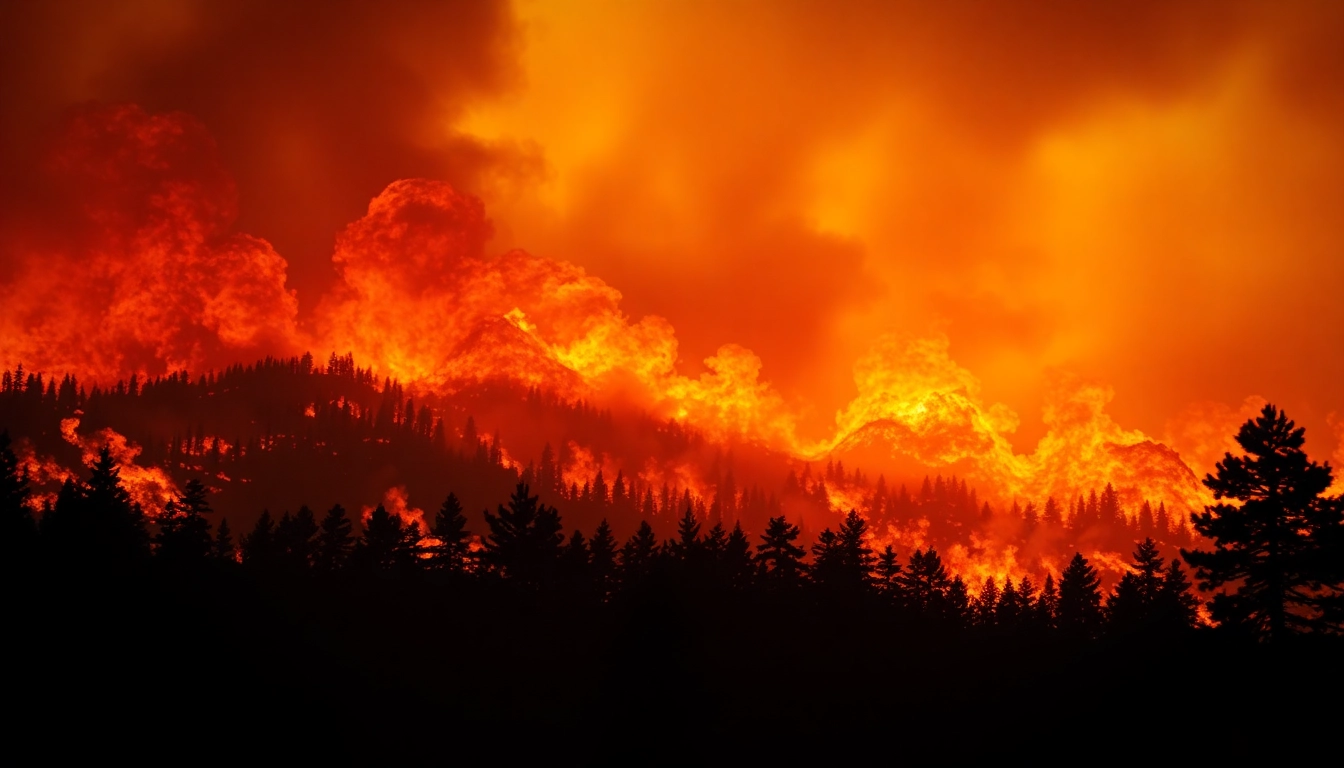
Introduction to Wildfire Events
Wildfires, often referred to as wildland fires, are uncontrolled fires that spread rapidly through vegetation, landscapes, and forests. These events naturally occur in many ecosystems and can serve essential roles in ecological balance. However, they can also pose significant threats to life, property, and air quality. Understanding Wildfire events is crucial for developing effective preparedness and response strategies.
What Are Wildfire Events?
Wildfire events involve the uncontrolled combustion of vegetation and materials in wild landscapes. They can arise from either natural causes, such as lightning strikes, or human activities, including campfires left unattended or arson. Characteristically, wildfires can spread rapidly and unpredictably, depending on factors like weather, vegetation type, and terrain.
Causes of Wildfire Events
The origins of wildfires can be broadly categorized into two main groups: natural and human-induced causes. Natural causes often include:
- Lightning Strikes: A significant natural spark igniting wildfires, particularly in dry climates.
- Volcanic Eruptions: Lava flows can ignite surrounding vegetation.
Human-induced causes consist of factors such as:
- Agricultural Practices: Land clearances via fire can escape control, leading to wildfires.
- Negligent Activities: Campfires, discarded cigarettes, and fireworks can initiate wildfires.
The Importance of Understanding Wildfire Events
Understanding wildfire events is crucial for several reasons. First, it allows individuals and communities to implement preventive measures effectively. Secondly, knowledge of wildfires can enhance emergency response planning, minimizing damage to lives and property. Finally, comprehending the ecological role of wildfires helps in sustainable land management and conservation efforts.
Types of Wildfire Events
Wildfires can be classified based on their origins, behavior, and intensity. This classification helps manage fire incidents more effectively.
Natural Wildfire Events
Natural wildfires primarily occur due to climatic conditions and natural phenomena. These fires usually align with environmental cycles and can rekindle necessary ecological processes, such as the germination of certain tree species that thrive post-fire.
Human-Induced Wildfire Events
Human-induced wildfires are often more predictable and, tragically, preventable. Haphazard practices, such as improper waste disposal and negligence in outdoor activities, often lead to catastrophic wildfires. Awareness and education are vital to mitigating these risks.
Classification of Wildfire Events
Wildfires can also be categorized based on their intensity and behavior. This can include:
- Surface Fires: These are the most common types of wildfires, burning through grass, trees, and low shrubs.
- Crown Fires: These flames leap from treetop to treetop and are often the most dangerous type, rapidly consuming forested areas.
- Ground Fires: These smolder below the surface, often unseen but can be pervasive, damaging soil and root systems.
Impacts of Wildfire Events
The consequences of wildfire events extend beyond the immediate destruction of flora and fauna, deeply impacting ecosystems, communities, and economies.
Environmental Effects of Wildfire Events
Wildfires can lead to dramatic changes in the environment. While certain ecosystems require fire for regeneration, excessive or uncontrolled wildfires can result in devastated habitats, loss of biodiversity, and disrupted water cycles. The aftermath can lead to soil erosion, negatively impacting local geology and hydrography.
Socioeconomic Impacts of Wildfire Events
Communities often face severe socioeconomic impacts from wildfire events. Property damage, loss of livelihood, and the costs of firefighting can weigh heavily on local economies. Additionally, communities require substantial resources for recovery and rebuilding, creating long-term financial burdens.
Health Impacts Related to Wildfire Events
The public health implications associated with wildfires are significant. Exposure to smoke can lead to respiratory issues, cardiovascular problems, and mental health challenges due to the stress of evacuation and loss. Vulnerable populations, such as the elderly and children, are particularly at risk.
Preparation for Wildfire Events
Preparation is key to minimizing the impact of wildfires on individuals and communities. Effective strategies can save lives, property, and ecosystems.
Personal Safety Measures
Individuals can adopt several safety measures to protect themselves from wildfire events, including:
- Creating a defensible space around homes.
- Regularly maintaining yards and landscapes by removing dry leaves and debris.
- Having an emergency kit ready that includes necessary supplies for evacuation.
Community Preparedness Strategies
Communities should collaborate to formulate robust wildfire response plans. This includes community education initiatives focusing on hazard reduction and the importance of reporting suspicious activities promptly. Regular fire drills and creating community networks can bolster readiness.
Government and Organizational Roles
Authorities at all levels must play an active role in wildfire prevention and management. This includes implementing stricter regulations on land use, enhancing forest management practices, and establishing comprehensive wildfire response policies. Partnerships with local NGOs and firefighting organizations can lead to more effective mitigation strategies.
Responding to Wildfire Events
Effective response strategies are crucial when 'wildfire events' occur. A well-coordinated approach can significantly reduce impacts.
Emergency Response Techniques
Responding effectively to wildfire events requires trained personnel and appropriate techniques. A combination of air support, ground crews, and controlled burns can be employed depending on the scenario. Incident command systems are essential for coordination among various agencies involved in wildfire suppression.
Wildfire Suppression Strategies
The main goal of wildfire suppression strategies is to control and extinguish fires as quickly as possible. Strategies may involve direct attack methods, like building fire lines, to indirect methods such as creating controlled burns to limit wildfire spread.
Rehabilitation After Wildfire Events
After the immediate threat of a wildfire has passed, rehabilitation efforts must begin promptly to restore affected landscapes and ecosystems. This includes replanting native species, stabilizing soil, and monitoring for invasive species that may take root in the disturbed environment. Community engagement in rehabilitation projects can also aid in local recovery.
FAQs about Wildfire Events
What can cause wildfires?
Wildfires can be triggered by natural sources like lightning or human actions such as discarded items, unattended campfires, and intentional acts of arson.
How can I prepare for a wildfire event?
Preparation involves creating defensible space around homes, maintaining landscape, staying informed about fire conditions, and readying an emergency kit for evacuation.
Are wildfires beneficial to the environment?
Yes, some ecosystems depend on fires for rejuvenation. Fire can help clear dead vegetation, making space for new growth and maintaining ecological balance.
What steps can communities take to prevent wildfires?
Communities can organize educational initiatives, improve land management practices, and ensure quick reporting mechanisms for fire hazards.
How does wildfire smoke affect health?
Wildfire smoke can cause respiratory issues, exacerbate existing health problems, and contribute to mental stress from evacuation and displacement.