Understanding Forced Reset Triggers
What is a Forced Reset Trigger?
A forced reset trigger is an innovative firearm accessory that modifies a firearm's trigger mechanism to enhance its firing rate. Unlike traditional triggers, which require a shooter to release and pull the trigger for each shot, forced reset triggers automatically reset after firing, enabling a quicker follow-up shot. This design feeds into the performance needs of competitive shooters and tactical enthusiasts who aspire for a higher rate of fire without compromising accuracy.
How Do Forced Reset Triggers Work?
The operation of a forced reset trigger can be summed up in a series of steps. When the shooter pulls the trigger, a series of internal mechanisms engage. Upon firing a round, the trigger resets itself without the need for the shooter to release it entirely. This mechanism is typically engineered with a unique geometry that allows the trigger to return to its reset position sooner, enabling the shooter to pull it again in rapid succession. The result is a smoother shooting experience that approximates automatic fire while maintaining the characteristics of semi-automatic operation.
Benefits of Using a Forced Reset Trigger
- Increased Rate of Fire: The most significant advantage is the ability to fire more rounds in a shorter time frame.
- Enhanced Control: With precise design, shooting becomes more controllable, leading to improved grouping and target acquisition.
- Competitive Edge: For competitive shooters, having a forced reset trigger can be a game-changer, allowing for quicker reactions in time-sensitive scenarios.
- Customizability: Many models offer features that can be adjusted according to personal shooting style and preferences.
Choosing the Right Forced Reset Trigger for Sale
Critical Features to Consider
When selecting a forced reset trigger for sale, several features should be at the forefront of your decision-making process:
- Trigger Pull Weight: The weight of the trigger pull can significantly affect performance. Lighter pulls might enhance speed, but they can also compromise control.
- Reset Speed: A faster reset enhances the firing rate, making it crucial for quick follow-up shots.
- Compatibility: Ensure that the trigger is designed to fit your specific firearm model without extensive modifications.
- Material Quality: Triggers made from high-quality materials tend to be more durable and reliable.
Popular Models and Their Specifications
There are various forced reset triggers available on the market, each with distinct specifications:
- Model A: Features a lightweight aluminum frame and a trigger pull weight of 3 lbs, designed for rapid-fire shooting in competitive settings.
- Model B: Made of steel for added durability, this model offers a slightly heavier pull weight of 4.5 lbs, striking a balance between speed and control.
- Model C: Designed for versatility, it includes adjustable reset speed settings, enabling shooters to customize their experience to their liking.
What Makes a Trigger Reliable?
The reliability of a trigger hinges on several factors:
- Durability: High-quality materials and construction withstand repetitive usage without deterioration.
- Consistency: A reliable trigger should provide consistent performance over time, regardless of environmental conditions.
- Safety Features: Effective triggers incorporate safety mechanisms to prevent accidental discharges, adding an essential layer of security.
Installation Process for Forced Reset Triggers
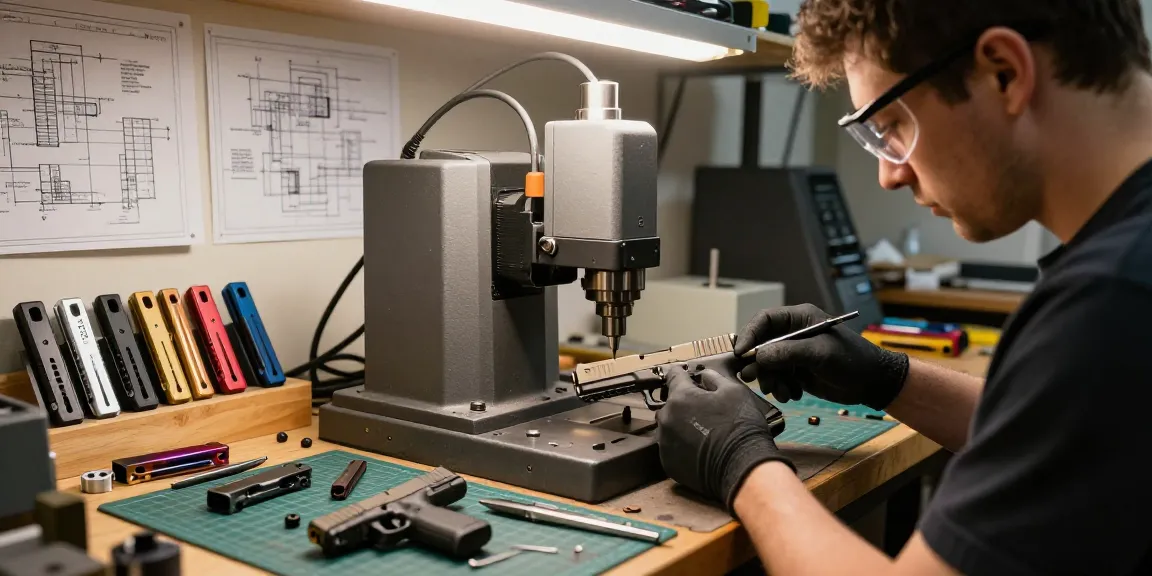
Essential Tools Needed for Installation
Before beginning the installation process, gather the following tools:
- Screwdrivers (flathead and Phillips)
- Pliers
- Hex keys or Allen wrenches
- Gun cleaning rod and patches
- Safety goggles
Step-by-Step Installation Guide
- Preparation: Ensure the firearm is unloaded and safe before beginning any work.
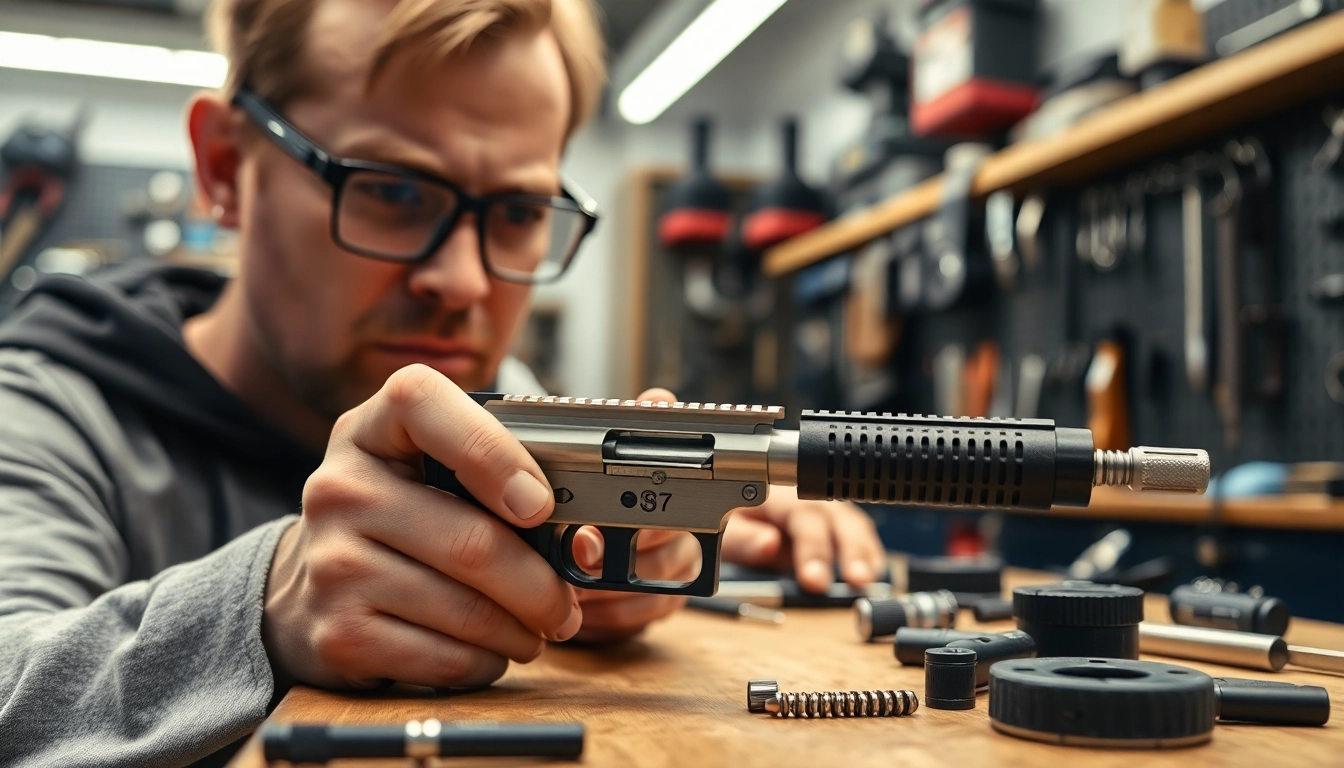
- Remove the Old Trigger: Carefully disassemble the firearm's lower receiver, making note of the existing parts.
- Install the Forced Reset Trigger: Position the new trigger in the appropriate slot, ensuring it aligns correctly with the firearm's specifications.
- Secure with Screws: Tighten all screws and components, ensuring everything is snug but not over-tightened.
- Reassemble the Firearm: Put the firearm back together, ensuring that all internal components are functioning smoothly.
- Function Check: Perform a function check to ensure the trigger is operating as intended.
Common Mistakes to Avoid
Avoiding common pitfalls can be the difference between a successful installation and headaches later:
- Ignoring Compatibility: Always double-check if the forced reset trigger is suitable for your specific firearm model.
- Rushing the Process: Take your time during installation; being rushed can lead to mistakes.
- Neglecting Safety: Always ensure your firearm is safe and unloaded before starting any work.
Maintaining Your Forced Reset Trigger
Cleaning and Lubrication Tips
To ensure longevity and smooth operation of your forced reset trigger, regular cleaning and lubrication are essential:
- Routine Cleaning: Clean the trigger assembly after every shooting session to remove dirt and residues.
- Lubrication: Use a light oil designed for firearms to lubricate contact points without over-saturation, which can attract dirt.
Regular Checks and Maintenance Routines
Establish a maintenance routine that checks for:
- Wear and Tear: Inspect for any signs of wear, especially at contact points which may degrade faster.
- Functionality: Regularly cycle the trigger to ensure it functions smoothly without sticking or resistance.
Extending the Lifespan of Your Trigger
Implementing best practices can significantly extend the life of your forced reset trigger:
- Safe Storage: Store your firearm in a cool, dry place to prevent moisture-related damage.
- Use Quality Ammunition: Poor-quality ammo can lead to increased wear and malfunction over time.
FAQs About Forced Reset Triggers
Are Forced Reset Triggers Legal?
Legal status varies by jurisdiction. Always check local laws to ensure compliance before purchasing or using a forced reset trigger.
Do Forced Reset Triggers Improve Accuracy?
While they increase firing speed, accuracy relies more on individual skill. Some users may find improved control with consistent trigger pull.
Can I Install a Forced Reset Trigger Myself?
Yes, as long as you're comfortable with firearms and follow a careful installation process. Proper tools and attention to detail are essential.
What Materials Are Used in Forced Reset Triggers?
Common materials include aluminum and steel, selected for their durability and ability to withstand repeated use without failure.
How Do I Know If a Trigger Is Compatible with My Firearm?
Compatibility details are usually outlined in the product specifications. Always consult your firearm’s manual or a knowledgeable dealer.