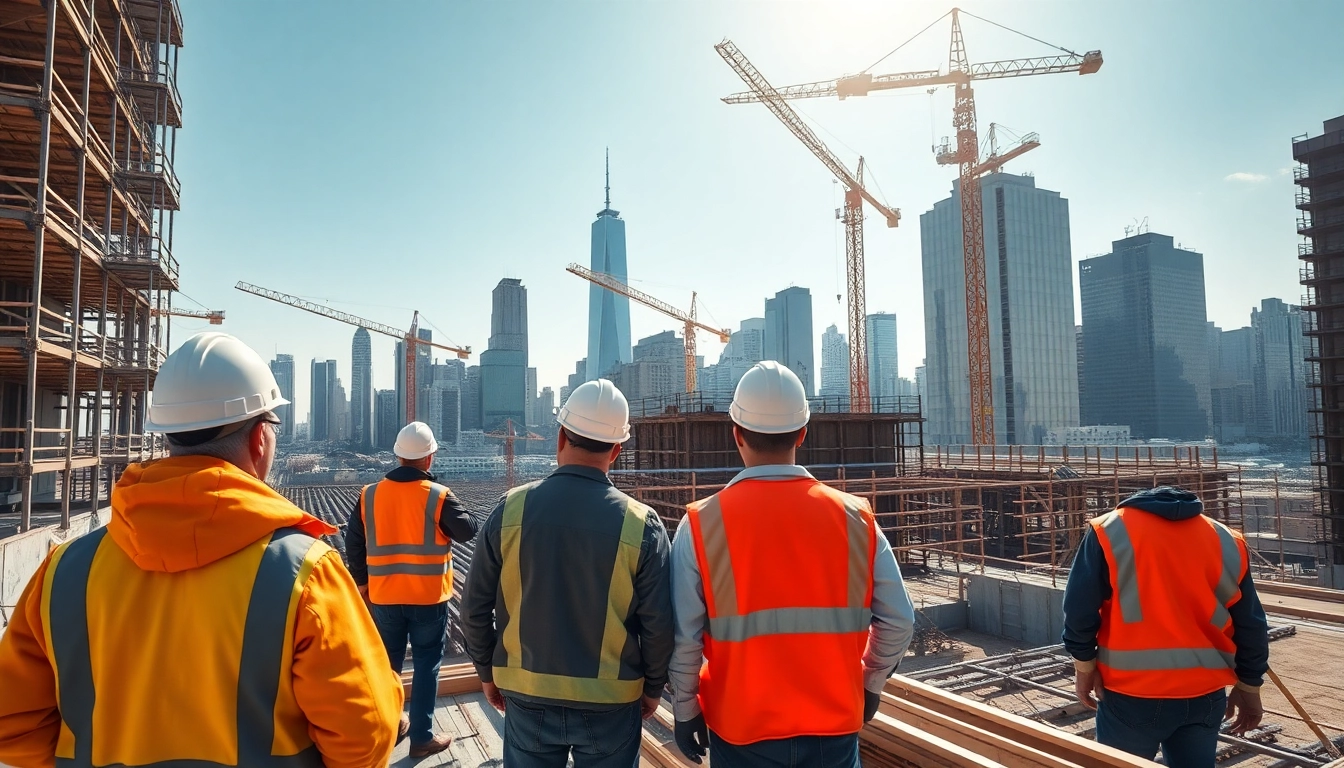
Understanding the Role of a New York Commercial General Contractor
The function of a general contractor in the commercial construction landscape of New York is multifaceted, reflecting the city's unique challenges and opportunities. A New York Commercial General Contractor plays a critical role not just as a builder, but as a project leader, and a problem solver. Their expertise is crucial in navigating the complex urban environment and ensuring projects are completed on time and within budget. This article delves into the responsibilities, best practices, and challenges faced by commercial general contractors in New York, offering insights for businesses looking to undertake construction projects.
Overview of Responsibilities
Commercial general contractors in New York are responsible for overseeing construction projects from inception to completion. This includes a myriad of tasks such as:
- Project Planning and Coordination: Collaborating with architects, engineers, and owners to define project scope, budget, and timeline.
- Resource Management: Procuring materials and securing talented subcontractors, while managing labor and equipment costs.
- Regulatory Compliance: Ensuring that all construction activities comply with local building codes, zoning laws, and safety regulations.
- Quality Control: Monitoring work to ensure adherence to project specifications and high-quality standards.
- Communication: Serving as the primary point of contact for stakeholders, providing updates on project progress, challenges, and changes.
Importance of Project Management
One of the most significant aspects of a New York commercial general contractor's role is effective project management. This encompasses:
- Setting and Managing Timelines: Developing realistic project schedules that account for potential delays and complications.
- Budget Monitoring: Keeping a keen eye on project costs to prevent budget overruns and ensuring financial feasibility.
- Risk Management: Identifying potential risks early on and formulating strategies to mitigate them.
Through diligent project management, general contractors can ensure that projects complete on time and to the satisfaction of clients.
Regulatory and Compliance Insights
New York's construction industry is heavily regulated, making compliance a significant responsibility for commercial general contractors. Understanding and adhering to local laws, safety standards, and environmental regulations is essential. Non-compliance can lead to costly delays, fines, and reputational damage. General contractors must be well-versed in:
- Local building codes: Each city and state may have specific codes that govern construction standards.
- OSHA Regulations: Ensuring a safe working environment for employees and subcontractors.
- Environmental Regulations: Complying with federal, state, and local guidelines related to environmental impact and sustainability initiatives.
Factors to Consider When Hiring a New York Commercial General Contractor
Engaging a general contractor for a commercial project is a critical decision that can affect project outcomes. Here are essential factors that businesses should consider when hiring a commercial general contractor in New York:
Experience and Specialization
When selecting a general contractor, assess their experience and area of specialization. Understanding the type of projects they have successfully managed in the past—whether office buildings, retail spaces, or industrial facilities—can be a significant indicator of their capabilities. Contractors with extensive experience in New York's unique market conditions often exhibit a better understanding of local challenges, including:
- Urban planning and congestion
- Building regulations
- Logistical complexities associated with densely populated areas
Reputation and Client Testimonials
A contractor's reputation can be gauged through client testimonials and reviews. Positive feedback from previous clients often highlights reliability, professionalism, and quality of work. Conducting thorough background checks and requesting references can provide insights into a contractor's work ethic and performance history.
Cost and Budgeting Strategies
Cost management is an essential part of any construction project. A reputable contractor should offer a transparent pricing model, detailing costs associated with materials, labor, and potential unexpected expenses. It’s also beneficial to discuss budgeting strategies to ensure the project remains financially feasible throughout its course.
Best Practices in Commercial Construction Management
Ensuring a smooth and successful construction process requires the implementation of best practices in management. Contractors can enhance efficiency and project success rates by adhering to these strategies.
Effective Communication Techniques
Constant communication between all stakeholders is vital for project alignment. Establishing regular meetings, utilizing communication tools, and setting clear protocols for information exchange can help mitigate misunderstandings and delays. Effective communication ensures everyone remains on the same page concerning project updates and changes.
Utilizing Technology in Construction
The construction industry is increasingly embracing technology to improve efficiency and accuracy. General contractors should leverage tools such as:
- Building Information Modeling (BIM): Enhances visualization and planning, aiding in identifying potential issues before they arise.
- Project Management Software: Facilitates scheduling, budgeting, and resource management.
- Mobile Applications: Enable real-time updates and communication from job sites to offices.
The use of technology not only streamlines processes but also enhances collaboration among teams.
Managing Project Timelines and Milestones
Implementing a detailed project timeline with defined milestones allows for tracking progress effectively. General contractors should set realistic timelines that account for potential setbacks while striving to meet deadlines. A proactive approach to identifying bottlenecks and adopting flexible strategies can help ensure timely completion.
Common Challenges Faced by New York Commercial General Contractors
Working in New York presents unique challenges that general contractors must be prepared to navigate. Understanding these challenges can help in devising effective approaches to manage them.
Urban Infrastructure and Environmental Constraints
New York's dense urban infrastructure poses challenges such as limited space for construction activities and existing environmental concerns. General contractors must have strategies to manage tight workspaces, coordinate with local authorities, and ensure minimal disruption to the neighborhood.
Labor Shortages and Workforce Management
Labor shortages are a growing concern in the construction industry. Finding skilled labor in New York can be challenging due to high demand. Contractors should consider investing in workforce training programs and nurturing relationships with local unions to cultivate a reliable labor pool.
Supply Chain Issues in the Construction Industry
The construction industry often faces supply chain disruptions, impacting the availability of materials and costs. To mitigate these risks, contractors should establish strong relationships with suppliers, negotiate favorable terms, and maintain a buffer stock of essential materials when possible. Planning for contingencies is also crucial in maintaining project timelines.
Evaluating Performance and Success Metrics
To gauge the effectiveness of a project, it is essential to establish clear metrics for success. This involves evaluating various performance indicators throughout the construction process.
Key Performance Indicators for Contractors
General contractors should monitor specific Key Performance Indicators (KPIs) to assess project performance. Metrics may include:
- On-time delivery of milestones
- Adherence to budget guidelines
- Quantity of rework required
Client Satisfaction and Quality Control
Ultimately, the success of a construction project can often be measured by client satisfaction. Implementing quality control measures and following up with clients post-project completion can help gather valuable feedback, improving future projects. Client satisfaction surveys can provide insights into areas for improvement.
Continuous Improvement in Construction Services
Continuous improvement is vital for the long-term success of a commercial general contractor. By regularly reviewing processes, embracing new technologies and methodologies, and gleaning insights from past projects, contractors can enhance their service offerings and operational efficiency.
Understanding the nuances of working with a New York commercial general contractor is essential for businesses looking to excel in the construction landscape. Armed with this knowledge, stakeholders can confidently engage and collaborate with contractors to realize their commercial construction ambitions.