Understanding Electric Chain Hoist Cranes
Electric chain hoist cranes are integral to industries that require efficient and precise lifting mechanisms. These hoists utilize electric motors to lift and lower loads, making them invaluable in settings such as warehouses, manufacturing plants, and construction sites. The ability to handle heavy weights with minimal manual effort not only enhances productivity but also ensures safer working conditions. As businesses prepare for the future of industrial lifting, understanding the functionality and benefits of the electric chain hoist crane becomes increasingly essential.
What is an Electric Chain Hoist Crane?
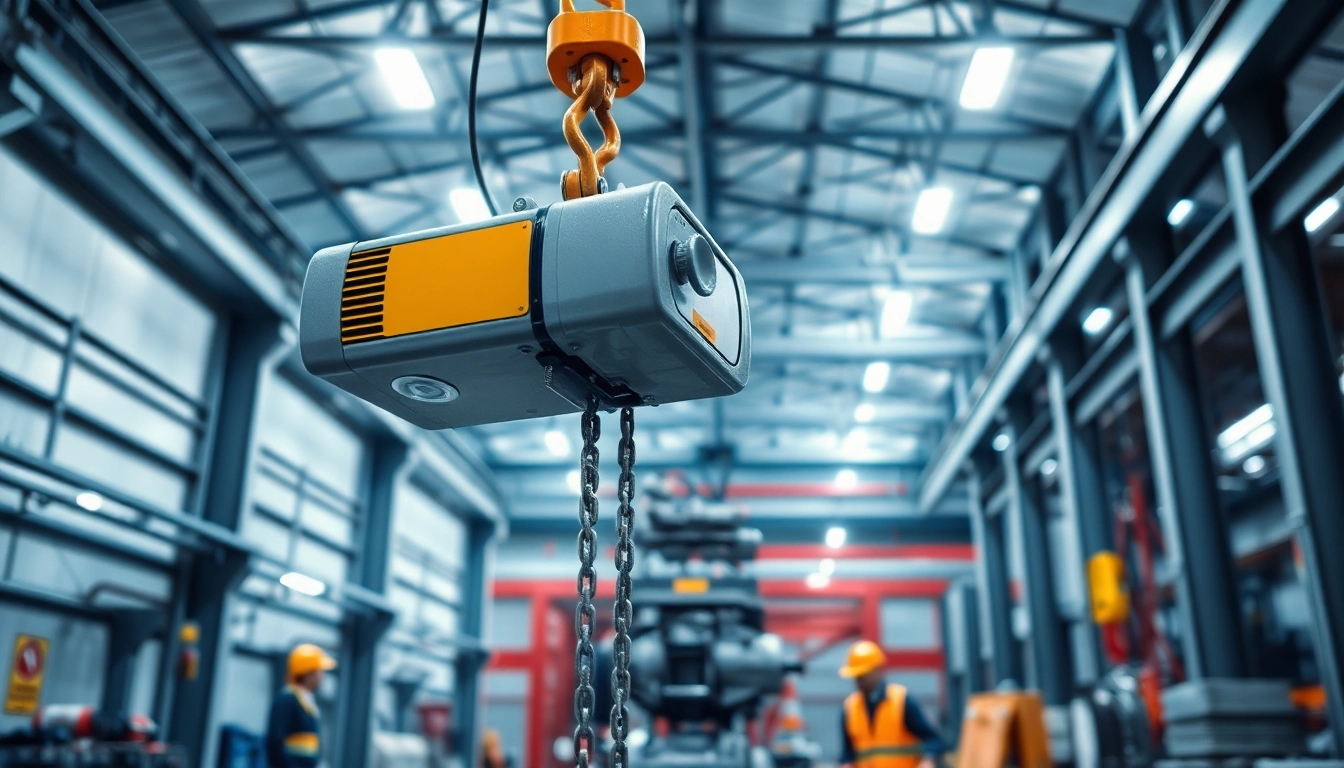
An electric chain hoist crane is a type of lifting device that utilizes a chain to lift objects vertically. Unlike manual chain hoists, which rely on human power, electric chain hoists employ electric motors, providing greater efficiency and capability for handling heavier loads. Typically, these hoists are mounted on a trolley that moves along a beam, allowing for lateral movement across a workspace. This combination of vertical and horizontal mobility makes electric chain hoists versatile in various operational contexts.
Key Features and Benefits of Electric Chain Hoists
- High Load Capacity: Electric chain hoists are designed to lift substantial weights, often between 1/8 ton to over 50 tons depending on the model, accommodating requirements for diverse applications.
- Efficiency: The electric operation means that lifting can be performed quickly and with less physical strain on operators, increasing productivity.
- Safety Features: Most electric chain hoists come equipped with safety mechanisms such as overload protection, limit switches, and emergency stop buttons to prevent accidents.
- Precision Control: With variable speed options, these hoists allow for precise lifting and lowering of loads, which is crucial in sensitive operations.
- Durability: Built with robust materials, electric chain hoists are designed to withstand harsh industrial environments, offering longevity and low maintenance costs.
Common Applications of Electric Chain Hoist Cranes in Industries
Electric chain hoists are used across various sectors due to their versatility and efficiency. Common applications include:
- Manufacturing: Used on production lines to lift heavy machinery parts or assembly components, facilitating streamlined operations.
- Construction: Essential for lifting building materials and equipment to high places, improving workflow and safety on job sites.
- Warehousing: Employed in loading and unloading shipping containers, helping to manage inventory effectively and reducing manual labor.
- Automotive: Utilized in repair shops for lifting vehicle parts during maintenance, allowing for safer and easier access.
- Shipping and Logistics: Critical in moving heavy loads throughout distribution centers, ensuring timely delivery of products.
Comparing Electric Chain Hoists and Manual Options
Electric Chain Hoist vs. Manual Chain Hoist: What’s the Difference?
The principal difference between electric chain hoists and manual chain hoists lies in their operational mechanism. While manual chain hoists rely on human strength to lift loads, electric chain hoists utilize an electric motor, enabling them to handle heavier weights with minimal user input. This distinction not only affects the amount of weight that can be lifted but also the frequency and speed of lifting. Electric hoists are ideal for applications requiring repeated lifting of heavy loads, while manual hoists might be better suited for occasional, lighter tasks.
Advantages of Electric Chain Hoists Over Manual Alternatives
- Reduced Physical Strain: Electric hoists eliminate the need for physical effort, making it easier for operators to handle heavy loads.
- Speed: Electric hoists can lift and lower loads significantly faster than manual options, increasing workflow efficiency.
- Precision: Electric hoists provide better control over load movement, which is essential in delicate operations.
- Versatility: Many electric chain hoists offer features like remote controls and variable speed settings, tailored to specific lifting needs.
Choosing the Right Type for Your Needs
Selecting the appropriate hoist depends on various factors, including load capacity, lift height, frequency of use, and the specific application. It’s essential to evaluate the environment where the hoist will be used and consider factors such as power supply, space constraints, and safety requirements. Consulting with industry experts or equipment suppliers can provide valuable insights into making the best decision for your operational needs.
Installation and Safety Best Practices
Steps for Installing Electric Chain Hoist Cranes
Proper installation is crucial for the safe and efficient operation of electric chain hoists. Here are key steps to follow:
- Site Inspection: Assess the installation site for structural integrity and ensure it can support the hoist's load capacity.
- Mounting: Securely mount the hoist according to the manufacturer's specifications, ensuring that it is level and stable.
- Electrical Connections: Connect the hoist to an appropriate power supply, confirming that all electrical work meets local codes and standards.
- Testing: Conduct a thorough test after installation to ensure that the hoist operates correctly in both lift and lower functions.
- Training: Provide comprehensive training for all operators to familiarize them with the hoist's features and safe operating procedures.
Essential Safety Considerations and Regulations
Safety is a paramount concern when operating electric chain hoists. Operators should be aware of local regulations and industry standards, such as OSHA guidelines, which govern hoisting equipment. Essential safety practices include:
- Conducting routine safety inspections and maintenance checks.
- Implementing weight limits and ensuring loads are properly secured before lifting.
- Using appropriate personal protective equipment (PPE).
- Establishing emergency procedures in case of malfunction or accidents.
- Educating all staff about potential hazards when working with hoists.
Common Misconceptions About Electric Chain Hoist Safety
Despite advancements in safety technology, misconceptions about electric chain hoists persist. One common belief is that electric chain hoists are inherently unsafe due to their power. In reality, when properly installed and maintained, these hoists can be safer than manual alternatives. Additionally, some may underestimate the importance of training, believing that anyone can operate a hoist without prior experience. Comprehensive training is essential to ensure operators are knowledgeable about safe practices and emergency protocols.
Maintenance and Troubleshooting Tips
Routine Maintenance for Optimal Performance
To keep electric chain hoists functioning correctly, regular maintenance is necessary. Key maintenance tasks include:
- Inspecting the hoist chain for signs of wear or damage.
- Lubricating moving parts according to the manufacturer's recommendations.
- Checking electrical connections for corrosion or loose wires.
- Testing safety features such as limit switches and emergency stops.
- Documenting all maintenance activities to track performance over time.
Identifying Common Issues with Electric Chain Hoists
Electric chain hoists may encounter various issues, including:
- Overheating: Caused by excessive use or poor ventilation, leading to motor failure.
- Unresponsive Controls: May indicate electrical issues or faulty components.
- Skipping Chains: Often due to improper alignment or worn sprockets.
- Strange Noises: Unusual sounds can signal mechanical problems or lack of lubrication.
When to Seek Professional Help for Repairs
If troubleshooting efforts do not resolve issues with an electric chain hoist, it is crucial to consult a professional. Signs that indicate the need for expert assistance include persistent problems despite regular maintenance, significant wear on critical components, or any signs of electrical malfunction. Professional technicians can provide in-depth diagnostics and repair services to ensure continued safe operation.
Future Trends in Electric Chain Hoists for 2025 and Beyond
Innovations in Electric Chain Hoist Technology
The future of electric chain hoists is poised for significant advancements, including the integration of smart technology. Innovations such as IoT-enabled hoists will allow for real-time monitoring, enhancing safety and efficiency through data analysis of lifting operations. This technology can provide insights into usage patterns, alerting operators to potential issues before they become critical failures.
Market Trends and Industry Predictions
As industries continue to evolve, the demand for electric chain hoists is expected to grow. Increased automation, coupled with a focus on safety and efficiency, will drive innovations in this sector. Sustainability trends will also influence the development of electric hoists, with manufacturers focusing on energy-efficient designs and materials.
How to Prepare Your Operations for Future Changes
To remain competitive, businesses should adopt a proactive approach to incorporating new technologies in their operations. This includes investing in training programs that prepare staff for the implementation of smart hoisting systems and staying informed about industry innovations. Building partnerships with equipment suppliers can also provide access to the latest advancements, ensuring that operations remain efficient and safe.