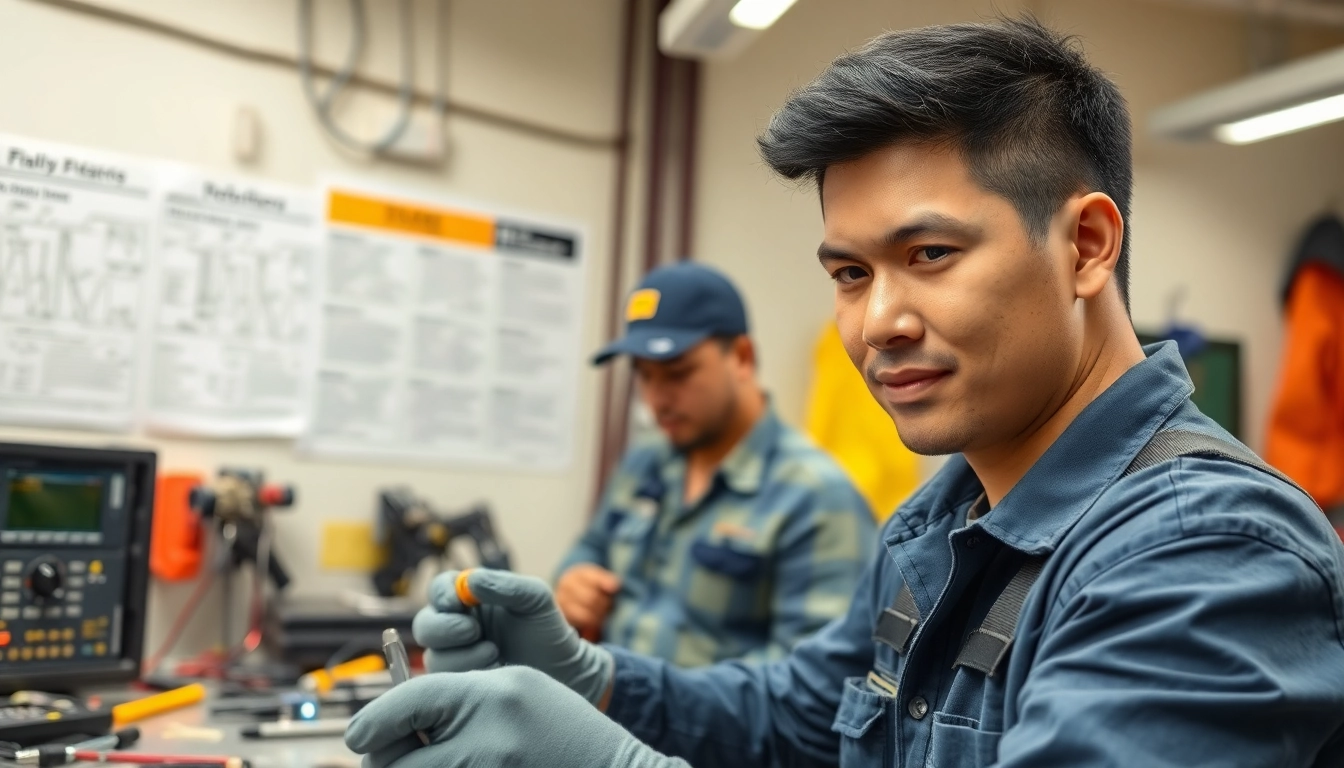
The Importance of Electrician Apprenticeships in Hawaii
For those looking to jumpstart a career in the trades, an electrician apprenticeship hawaii offers a transformative opportunity. It not only provides essential skills and knowledge but also serves as a pathway to lucrative job opportunities in a field with high demand. As technology evolves, so do the requirements for electrical installation, maintenance, and repair. This guide explores why electrician apprenticeships are crucial in Hawaii, helping aspiring electricians understand the value of this training.
Why Choose an Electrician Apprenticeship?
Electrician apprenticeships are a perfect blend of education and hands-on experience, making them a popular choice for those entering the construction and electrical fields. Here are several reasons why an apprenticeship might be the right choice for you:
- Earn While You Learn: Apprentices work under licensed electricians, earning a wage while gaining valuable experience. This allows individuals to support themselves financially as they pursue their education.
- Structured Learning: Apprenticeships provide a well-organized program that combines classroom learning with on-site training. This structure ensures apprentices acquire the knowledge and skills needed to succeed.
- Job Security: The demand for skilled electricians is consistently high, particularly in Hawaii, where infrastructure development and renewable energy projects are on the rise. Completing an apprenticeship significantly enhances job prospects.
- Licensing Preparation: Most apprenticeship programs also prepare candidates for the licensing examinations required to practice as a journeyman electrician.
The Role of Apprenticeships in Career Development
Embarking on an electrician apprenticeship sets the foundation for career advancement. Here’s how:
- Skill Acquisition: Apprentices develop critical skills in electrical theory, installation techniques, safety practices, and troubleshooting. These skills are invaluable and can lead to more advanced positions within a company.
- Networking Opportunities: Apprenticeships allow individuals to connect with industry professionals, potential employers, and mentors who can provide guidance throughout their careers.
- Pathway to Specialization: After completing an apprenticeship, electricians can further specialize in areas like residential, industrial, or renewable energy systems, enhancing their marketability and earning potential.
Overview of Hawaii's Industry Needs
The electrical industry in Hawaii is undergoing significant growth. With a strong push towards renewable energy and sustainable building practices, the demand for skilled electricians is projected to rise. Several factors contribute to this increased need:
- Infrastructure Development: Ongoing projects related to housing, tourism, and commercial developments necessitate a workforce that is skilled and ready to meet the electrical demands of modern construction.
- Renewable Energy Initiatives: Hawaii's commitment to sustainability has led to numerous projects aimed at increasing the adoption of solar energy and other renewable resources. Skilled electricians are essential to install and maintain these systems.
- Technological Advancements: New technology in electrical systems, home automation, and energy efficiency solutions require trained experts who can navigate and manage these changes.
Eligibility and Requirements for Electrician Apprenticeships in Hawaii
Basic Qualifications Needed
Before applying for an electrician apprenticeship in Hawaii, candidates must meet specific qualifications:
- Age: Applicants must be at least 18 years old.
- Education: A high school diploma or GED is typically required. Some programs may also seek candidates with a strong foundation in mathematics.
- Physical Fitness: The profession often requires manual labor; thus, physical fitness and the ability to work in various environmental conditions are essential.
- Background Check: Successful candidates may undergo background checks or drug screening as part of the application process.
Application Process Explained
Applying for an electrician apprenticeship involves several steps:
- Research Programs: Identify available apprenticeship programs in Hawaii, such as those offered by local unions or independent training organizations.
- Prepare Your Application: Include a resume, cover letter, and any reference letters or suggestions pertinent to your background and skills.
- Submit Your Application: Follow the specific instructions provided by the apprenticeship program's website for submission.
- Interviews: If selected, candidates often must attend an interview or a series of interviews to assess their interest and suitability for the program.
- Enrollment: Successful applicants will be notified and invited to enroll; this may include attending an orientation session to understand the program's requirements fully.
Tips for Strengthening Your Application
To enhance your chances of being accepted into an electrician apprenticeship, consider the following tips:
- Highlight Relevant Experience: If you have experience in construction or related fields, be sure to include this in your application.
- Demonstrate Commitment: Show that you’re serious about pursuing an electrical career by participating in relevant workshops, volunteering, or shadowing licensed electricians.
- Seek Recommendations: Strong reference letters from teachers, employers, or mentors in the electrical field can greatly benefit your application.
- Be Prepared for Interviews: Research common interview questions and be ready to discuss your background, interest in the trade, and future goals in the electrical field.
Training Programs Available in Hawaii
Exploring Different Types of Electrician Apprenticeship Programs
Hawaii offers a range of electrician apprenticeship programs catering to various interests and specializations. These typically include:
- Traditional Electrician Apprenticeships: Focus on essential skills in residential and commercial electrical work.
- Renewable Energy Apprenticeships: Concentrate on installing and maintaining solar energy systems and other sustainable power sources.
- Specialized Programs: Additional training opportunities in areas like telecommunications, fire alarm systems, and industrial wiring.
Hands-on Training vs. Classroom Learning
The combination of hands-on training and classroom learning is crucial in any apprenticeship program. Here’s how these two components interact:
- Hands-on Training: Apprentices work under the guidance of experienced electricians, where they practice real-world skills and scenarios in a controlled environment.
- Classroom Learning: Theoretical knowledge is also essential, covering electrical code, blueprint reading, and safety protocols. This structured instruction prepares apprentices for the knowledge requirements of the licensing exam.
Duration and Structure of Apprenticeships
Apprenticeship programs in Hawaii generally last between 3 to 5 years, depending on the specific type of training and the required hours of work and instruction. The structure usually involves:
- On-the-job Training: Apprentices spend a significant portion of their time working alongside licensed electricians to gain practical experience.
- Classroom Instruction: Regular classes often supplement the on-the-job training, covering essential theoretical knowledge needed in the field.
- Certification: At the conclusion of the program, apprentices are prepared to take the exam for licensure, marking their transition into fully qualified electricians.
Finding Electrician Apprenticeship Opportunities in Hawaii
Job Boards and Resources for Apprentices
There are various online platforms and resources to help find electrician apprenticeship opportunities in Hawaii:
- Job Boards: Websites like Indeed and ZipRecruiter regularly list apprenticeship openings in Hawaii.
- Apprenticeship Programs: Check local electrical unions and training organizations for recruitment announcements and application guidelines.
- Networking: Utilizing personal and professional connections can lead to potential apprenticeship opportunities that may not be widely advertised.
Networking within the Industry
Networking plays a pivotal role in securing an apprenticeship. Here are some effective strategies:
- Attend Industry Events: Participate in job fairs, trade expos, and local networking events to meet industry professionals and potential employers.
- Join Professional Associations: Becoming a member of associations related to electricians can provide access to job listings, educational resources, and mentorship opportunities.
- Connect on Social Media: Engage with electrical professionals on platforms like LinkedIn or industry-related forums to expand your network.
Effective Approaches to Secure an Apprenticeship
Securing an electrician apprenticeship can be competitive. Use these approaches to make your application stand out:
- Tailor Your Resume: Customize your resume and cover letter for each application to reflect relevant skills and experiences.
- Be Persistent: If you are not accepted immediately, don’t be discouraged; apply for multiple programs and continue improving your skills.
- Follow Up: After submitting your application or attending an interview, a polite follow-up can demonstrate your enthusiasm and commitment to the opportunity.
Advancing Your Career After Completing Your Apprenticeship
Job Roles You Can Pursue as a Licensed Electrician
Upon completion of your apprenticeship and achieving licensure, numerous job roles become available:
- Residential Electrician: Work on homes to install and maintain electrical systems.
- Commercial Electrician: Focus on electrical projects in commercial buildings and industrial facilities.
- Specialized Electrician: Pursue roles in specific fields, such as telecommunications, renewable energy, or electrical system design.
- Electrical Contractor: Start your own business managing electrical projects and hiring other electricians.
Continuing Education and Certifications
To stay competitive and knowledgeable in the rapidly evolving electrical field, continuing education is essential. Options include:
- Advanced Certifications: Acquire certifications in specialized areas such as solar panel installation, energy efficiency, or electrical safety.
- Workshops and Seminars: Attend workshops to learn about the latest technologies, tools, and practices in the electrical industry.
- Renew Your License: Stay compliant with local laws by understanding the requirements for license renewals and continuing education credits.
The Future of the Electrical Trade in Hawaii
The future of the electrical trade in Hawaii looks promising, with growing respect for skilled labor, increasing construction projects, and a shift towards sustainable energy practices. As an electrician, you'll not only be part of this transition but can also play a vital role in shaping Hawaii's energy landscape.
By choosing to undergo an electrician apprenticeship, you are positioning yourself at the forefront of a dynamic and essential industry. Whether you plan to work on conventional electrical systems or take a greener approach to energy, the skills and experiences gained during an apprenticeship will serve you throughout your career.