
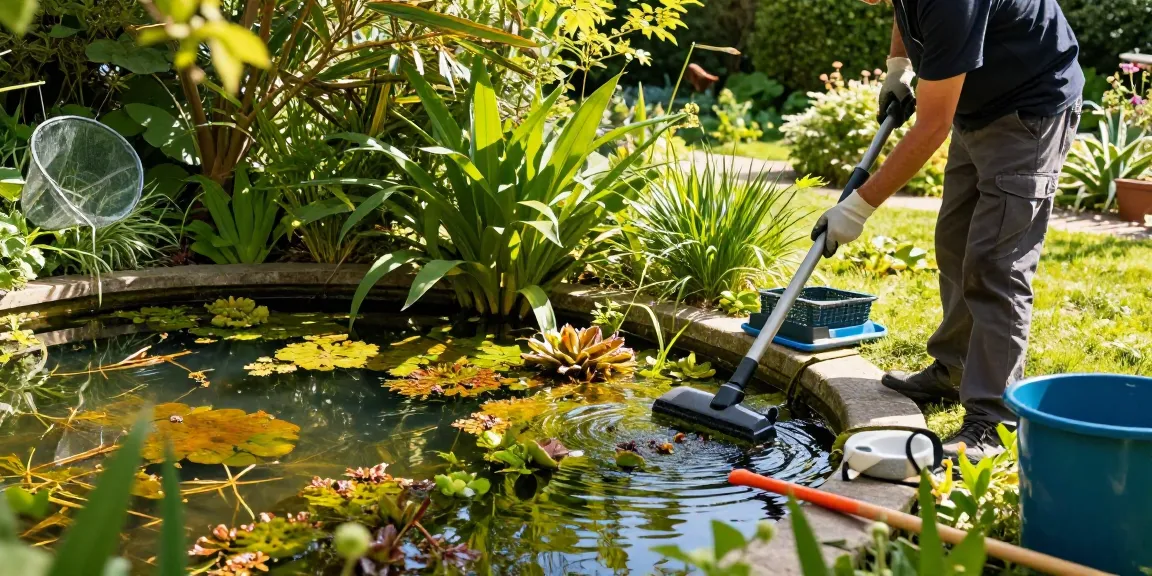
Understanding Pond Cleaning Sussex: Importance and Benefits
For pond owners in Sussex, maintaining a pristine aquatic environment is essential to both aesthetic appeal and ecological balance. Regular pond cleaning is a key aspect of preserving the health of your water body and its inhabitants. By implementing effective cleaning practices, you can enhance water quality, eliminate harmful pollutants, and promote a flourishing ecosystem. When exploring options, Pond Cleaning Sussex provides comprehensive insights into the services available to ensure your pond remains a vibrant part of your garden.
What Is Pond Cleaning?
Pond cleaning involves the removal of debris, algae, and contaminants that accumulate in your pond over time. This process can encompass various tasks, such as leaf removal, sludge vacuuming, and water treatments to ensure a healthy aquatic environment. Depending on the size and complexity of your pond, cleaning can be a straightforward or more elaborate process, often requiring specialized tools and techniques.
Why Is Regular Maintenance Crucial?
Regular pond maintenance is crucial for several reasons:
- Water Quality: Dirty water can lead to poor oxygen levels and harmful algal blooms, endangering fish and plant life.
- Aesthetics: A clean pond enhances the visual appeal of your garden, making it a pleasant space to relax and enjoy nature.
- Health of Aquatic Life: Proper maintenance helps sustain a balanced ecosystem for fish, frogs, and beneficial microorganisms.
Environmental Benefits of Clean Ponds
A clean pond serves as a natural filtration system, improving the quality of local waterways. Moreover, healthy ponds support biodiversity, providing habitats for various wildlife species. Additionally, by preventing overgrowth and contamination, clean ponds can mitigate flooding by absorbing excess rainwater and reducing runoff pollution.
Key Challenges in Pond Maintenance
Common Problems Faced by Pond Owners
Many pond owners encounter recurring challenges, including the buildup of leaves, algae growth, and debris accumulation. These issues can lead to murky water, unpleasant odors, and even fish kills if not properly addressed. Understanding these challenges is the first step to implementing a successful maintenance routine.
Identifying Algae and Debris Accumulation
Algae can quickly turn a beautiful pond into an unsightly mess. Common types of algae include filamentous and planktonic varieties. Filamentous algae often appear as green mats on the surface, while planktonic algae can cause water to appear green or cloudy. Regular observation and water testing can help you identify these problems before they escalate.
Weather and Seasonal Effects on Pond Conditions
The condition of your pond can be significantly affected by seasonal changes. During warmer months, algae blooms become more prevalent due to increased sunlight and temperatures. Conversely, in winter, leaves and debris can accumulate, leading to stagnant water conditions. Being aware of these seasonal effects is crucial for timely maintenance interventions.
Effective Pond Cleaning Techniques and Tools
Essential Tools for Pond Cleaning Sussex
To maintain a clean pond, you’ll need the right tools, which may include:
- Pond Skimmers: For removing floating debris and leaves off the water surface.
- Submersible Pumps: Effective for draining ponds to allow for deeper cleaning.
- Vacuum Cleaners: Specially designed for ponds to suck up sludge and debris from the bottom.
- Water Test Kits: To monitor pH, ammonia, and nitrate levels for optimal water quality.
Step-by-Step Cleaning Process
The pond cleaning process typically follows these steps:
- Remove Debris: Start by skimming the surface to remove leaves and floating debris.
- Drain the Pond: If necessary, drain part of the pond to access the bottom for a thorough cleaning.
- Vacuum the Bottom: Use a pond vacuum to remove sludge and sediment, ensuring a clean bottom surface.
- Inspect and Maintain Equipment: Check filters, pumps, and other equipment to ensure they are functioning properly.
- Add Beneficial Bacteria: Introduce beneficial bacteria to help break down organic matter and maintain water quality.
Natural vs. Chemical Cleaning Methods
When it comes to cleaning your pond, you have two primary options: natural and chemical methods. Natural methods involve using beneficial bacteria and enzymes to maintain water clarity and quality, promoting a balanced ecosystem. In contrast, chemical methods may involve algaecides and other treatments, which can offer quick results but may negatively impact aquatic life if not used judiciously. Striking a balance and considering the health of your pond’s ecosystem is essential when choosing a cleaning method.
Hiring Professional Pond Cleaning Services
When to Consider Professional Help?
While many pond owners manage cleaning themselves, hiring professionals can be beneficial in certain situations:
- Severe Algal Blooms: When algae issues are beyond manageable levels.
- Complex Ponds: Large or intricately designed ponds may require specialized knowledge and equipment.
- Time Constraints: If your schedule does not allow for regular maintenance, professional services can help.
What to Look for in a Pond Cleaning Service
When selecting a pond cleaning service, consider the following:
- Experience: Look for companies with proven experience and positive customer reviews.
- Services Offered: Ensure they provide a comprehensive range of services tailored to your pond’s needs.
- Environmental Practices: Choose services that employ environmentally friendly cleaning methods.
Cost Considerations for Pond Maintenance Services
The costs associated with pond cleaning can vary significantly based on factors such as the pond’s size, the level of cleaning required, and the service provider. On average, homeowners can expect to pay between £200 to £600 for professional pond cleaning services. It’s advisable to obtain multiple quotes and assess what’s included in each service package.
Future Trends in Pond Care and Maintenance
Innovative Technologies for Pond Cleaning
As technology evolves, so do pond maintenance methods. Innovations such as automated pond cleaning systems and advanced filtration units are becoming increasingly popular. These technologies can reduce maintenance efforts while enhancing water quality.
Predictions for Pond Ecosystems in 2026
Looking towards 2026, it’s anticipated that pond ecosystems will face new challenges, including climate change effects. Warmer temperatures may increase evaporation rates and alter aquatic life habits. Emphasizing sustainable maintenance practices will become essential in maintaining healthy pond ecosystems.
How to Prepare Your Pond for Future Changes
To prepare your pond for future environmental shifts:
- Enhance Biodiversity: Introduce a variety of aquatic plants and fish species to create a resilient ecosystem.
- Regular Monitoring: Keep a close eye on water quality and life indicators to catch issues early.
- Flexible Maintenance Plans: Stay adaptable, adjusting cleaning methods and schedules as conditions change.
What are the signs of a pond needing cleaning?
Common signs include murky water, excessive algae growth, unpleasant odors, and noticeable debris accumulation. Regular monitoring can help you catch these issues early.
How often should I clean my pond?
Typically, ponds should be cleaned at least once or twice a year, with additional maintenance as needed based on the specific conditions of the pond and seasonal changes.
Can I clean my pond myself or should I hire a professional?
While many tasks can be handled by homeowners, particularly smaller ponds, hiring a professional can save time and ensure thorough cleaning, especially for larger or more complicated ponds.
What tools do I need for pond cleaning?
Essential tools include a pond skimmer, vacuum, submersible pump, and water testing kits. Depending on the specific cleaning method chosen, additional equipment may be required.
What are the environmental impacts of pond cleaning?
Cleaning your pond can have both positive and negative environmental impacts. Proper maintenance supports aquatic biodiversity and improves water quality, while chemical treatments may harm non-target species if misapplied. Employing natural methods can mitigate these risks.

