
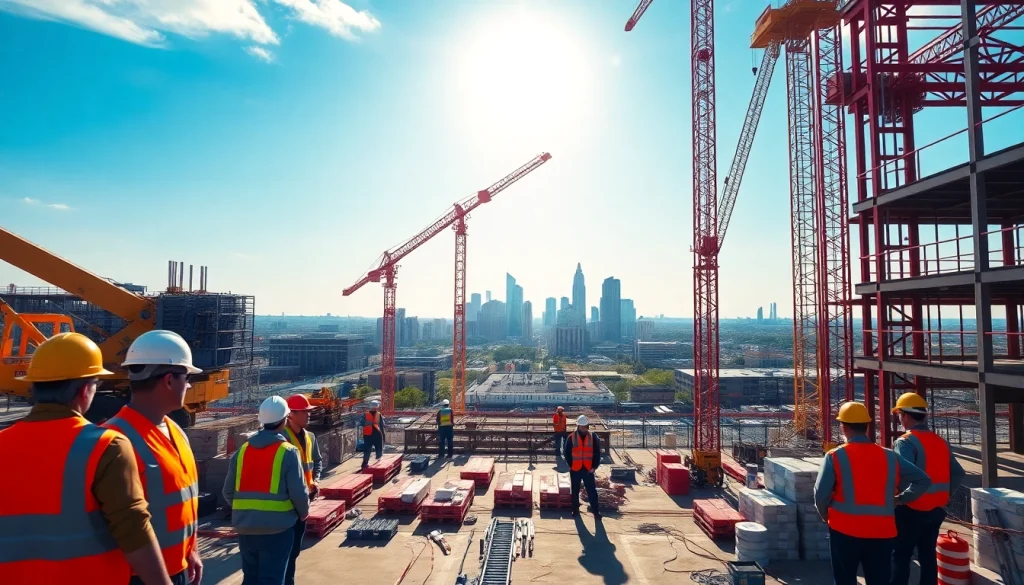
Overview of Austin Construction Trends
The construction industry in Austin is experiencing a transformative phase, influenced by technological advancements, sustainability initiatives, and the rapid pace of urbanization. As one of the fastest-growing cities in the United States, the demand for innovative construction practices has never been higher. In this thriving environment, professionals involved in Austin construction are adopting new concepts and methodologies to keep pace with the evolving requirements of both residential and commercial projects.
Emerging Technologies in Construction
Emerging technologies such as Building Information Modeling (BIM), 3D printing, and drones are reshaping the construction landscape in Austin. BIM allows for real-time collaboration among stakeholders, enhancing communication and reducing errors. This technology facilitates the visualization of projects before they commence, helping in efficient planning and execution.
3D printing is also making waves, offering a solution for efficient construction processes and material waste reduction. It allows for the rapid production of building components, minimizing traditional labor costs and expediting timelines. Moreover, drones enable aerial site surveys and inspections, offering a bird’s-eye view that streamlines project monitoring and increases safety on job sites.
Sustainable Practices and Green Building
Sustainable construction practices are becoming integral to Austin’s identity, driven by a growing emphasis on environmental stewardship. Builders are increasingly focusing on energy efficiency and sustainable materials. The use of solar panels, geothermal heating, and eco-friendly materials is rising, reflecting a commitment to reducing the carbon footprint of buildings.
Green certifications such as LEED (Leadership in Energy and Environmental Design) are becoming common as developers seek to enhance their marketability while contributing to a healthier environment. These initiatives not only enhance building efficiency but also reduce long-term operational costs for property owners, making sustainability a win-win scenario in Austin’s construction sector.
Impact of Urbanization on Construction Projects
As Austin continues to urbanize, the challenges and opportunities for construction are evolving. Rising population density means there’s an increasing demand for housing, public infrastructure, and commercial spaces. This shift necessitates innovative design solutions that maximize limited space while meeting the needs of a growing urban population.
Moreover, urbanization often leads to the revitalization of previously neglected areas, presenting opportunities for developers to transform spaces into vibrant communities. Mixed-use developments are on the rise, combining residential, retail, and office spaces, encouraging more sustainable living patterns and enhancing local economies.
Challenges Facing the Austin Construction Industry
Labor Shortages and Workforce Development
The Austin construction industry is facing significant challenges regarding labor shortages. As demand for construction professionals escalates, finding skilled labor has become increasingly difficult. This shortage is compounded by an aging workforce and the lack of sufficient training programs to prepare new entrants for construction careers.
To address this issue, collaboration between educational institutions and industry leaders is essential. Initiatives that promote vocational training in construction skills can enhance workforce readiness, ultimately bridging the gap between supply and demand.
Regulatory Hurdles and Compliance Issues
Adapting to the regulatory landscape in Austin can be daunting for construction professionals. Complex zoning laws, building codes, and permitting processes can delay projects and increase costs. Navigating these regulations requires a thorough understanding of local policies and the ability to work cohesively with governmental agencies.
Investing in compliance training and employing specialists who are well-versed in local regulations can significantly mitigate risks associated with penalties and project delays, ultimately ensuring smoother project execution.
Supply Chain Disruptions and Material Costs
The ongoing fluctuations in global supply chains have presented challenges for the Austin construction industry, leading to increased material costs and delays in project timelines. As demand surges, the cost of raw materials like lumber, steel, and concrete has continuously risen.
To counteract these challenges, builders are exploring alternative materials and approaches, such as prefabrication, which can efficiently reduce reliance on traditional supply chains. Additionally, strategic planning and long-term partnerships with suppliers can help stabilize costs and ensure timely project delivery.
Best Practices for Effective Project Management
Collaborative Approaches in Team Management
As the complexities of projects increase, effective team collaboration becomes paramount in Austin construction. Utilizing collaborative project management tools can enhance communication among stakeholders, ensuring that everyone is on the same page throughout the construction process.
Establishing a culture of open dialogue encourages teams to share insights, which can lead to innovative solutions and improved project outcomes. Regular meetings, clear role definitions, and transparency regarding project progress can foster a collaborative environment conducive to success.
Risk Management in Construction Projects
Risk management is crucial in mitigating potential pitfalls during construction projects. Identifying, assessing, and prioritizing risks is the first step in developing a proactive management plan. Regular risk assessments should be conducted throughout the project lifecycle to adapt strategies as necessary.
Employing risk management software can facilitate real-time tracking of issues and enable teams to respond swiftly to emerging challenges. Additionally, creating contingency plans for high-risk scenarios can provide a safety net to safeguard project timelines and budgets.
Utilizing Technology for Efficiency
Technology plays an increasingly vital role in driving efficiency within construction projects in Austin. By integrating tools such as project management software, scheduling applications, and mobile communication platforms, teams can streamline processes, reduce administrative tasks, and enhance productivity.
Additionally, embracing technologies like virtual reality (VR) for design visualization can provide clients with immersive experiences, helping them make more informed decisions earlier in the project’s planning stages. This technological integration positions teams to respond to challenges more effectively and drive successful project outcomes.
Case Studies of Successful Austin Construction Projects
Residential Development Innovations
Austin has witnessed remarkable innovations in residential developments, particularly in the realm of affordable housing. One standout project utilized modular construction techniques that reduced build times by 30%, significantly lowering the costs associated with housing development. Incorporating energy-efficient technologies, the project not only provided quality homes but also reduced living costs for residents.
Furthermore, community engagement played a critical role in the planning process, ensuring that the development aligned with the locals’ needs and preferences, fostering a strong sense of ownership among future residents.
Commercial Projects with High ROI
Several commercial projects in Austin have demonstrated the potential for high returns on investment through strategic planning and innovative design. A notable example includes a mixed-use development that blended retail spaces with office environments. This integration attracted a diverse group of tenants, significantly increasing foot traffic and revenue for businesses within the development.
By implementing sustainable design features, such as green roofs and efficient HVAC systems, the developers not only enhanced the building’s marketability but also contributed positively to the surrounding environment.
Infrastructure Improvements and Their Benefits
Infrastructure improvements in Austin have significantly bolstered the city’s functionality. A recent investment in enhanced transportation infrastructure not only improved access to key areas but also mitigated traffic congestion, ultimately enhancing residents’ quality of life. These developments have had a cascading effect on property values and attractiveness for businesses, making Austin a more appealing destination for both residents and investors.
Additionally, ongoing investments in public parks and recreational facilities reflect a commitment to community well-being, providing spaces for social engagement, recreation, and environmental conservation. These projects exemplify how strategic infrastructure investments can yield long-term benefits for the community.
Future Outlook for Austin Construction
Predictions for the Next Decade
Looking ahead, the Austin construction industry is poised for substantial growth. Urbanization trends will continue to drive demand for housing and infrastructure improvements. As sustainability becomes a priority, projects emphasizing eco-friendly practices are expected to gain traction.
Technological advancements will further revolutionize construction processes, enhancing efficiency and reducing costs. Building resilience in the face of environmental challenges will also shape future developments, ensuring that the city can withstand climate impacts while continuing to thrive.
Investment Opportunities in the Construction Sector
With the ongoing urbanization and increasing demand for housing and commercial developments, the Austin construction sector presents numerous investment opportunities. Real estate developers keen on exploring the market must focus on projects that incorporate sustainable practices, as these are increasingly in demand.
Moreover, areas undergoing revitalization and neighborhood upgrades offer enticing prospects for long-term investment. Identifying emerging neighborhoods poised for growth can yield significant returns, especially as more residents flock to Austin.
How Community Engagement Shapes Future Projects
As the construction industry evolves, community engagement is playing an increasingly significant role in shaping project outcomes. Involving residents in the planning process fosters a sense of ownership and ensures that developments meet the actual needs of the community.
Through participatory design workshops and feedback sessions, construction professionals can gather valuable insights that lead to successful and harmonious developments. As community priorities continue to change, maintaining an open line of communication with residents will be critical for delivering projects that contribute positively to the evolving urban landscape.